Imagine waking up to the intoxicating aroma of freshly baked bread, a golden-brown crust beckoning, and a soft, fluffy interior ready to be devoured. This isn’t a fantasy; it’s an everyday reality for countless home bakers thanks to the remarkable Panasonic Bread Maker. For decades, Panasonic has been at the forefront of kitchen innovation, consistently delivering appliances that combine cutting-edge technology with user-friendly design, making homemade bread not just achievable, but truly effortless.
From rustic sourdough to delectable gluten-free options, a Panasonic bread maker transforms your kitchen into a personal bakery. It’s more than just a convenience; it’s an invitation to rediscover the joy of real bread, made with ingredients you trust and a touch of home-baked love.
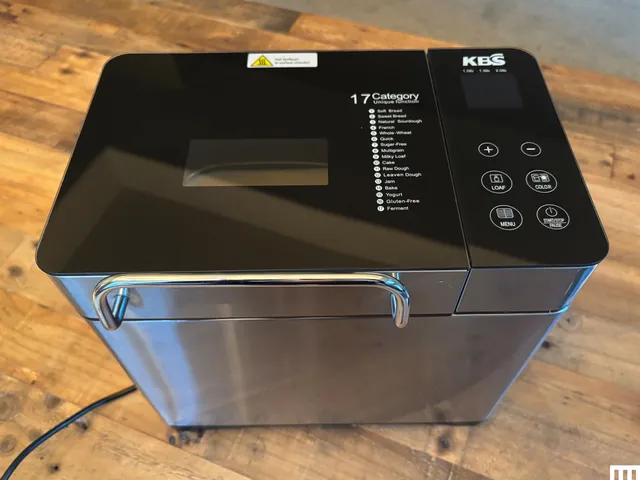
The Evolution of Bread Making and Panasonic’s Pioneering Role
Bread has been a staple of human civilization for millennia, evolving from simple flatbreads to complex leavened loaves. The act of baking, however, remained a laborious process for centuries, requiring significant time and skill. The late 20th century saw a revolution with the introduction of the automatic bread maker, simplifying the process by handling kneading, rising, and baking all in one machine.
Panasonic quickly emerged as a leader in this new frontier, continuously refining the technology to address common baking challenges. Their commitment to precision engineering and thoughtful design has positioned the Panasonic bread maker as a benchmark for quality and consistency in the home baking world. They’ve focused on innovations that truly enhance the baking experience, ensuring that even novice bakers can achieve professional-quality results.
Why Choose a Panasonic Bread Maker? The Key Differentiators
What sets a Panasonic bread maker apart in a crowded market? It boils down to intelligent design and advanced features that consistently deliver superior results.
One of the standout innovations is the automatic yeast dispenser. Many Panasonic models feature a separate compartment that adds yeast at precisely the right moment during the cycle, preventing it from coming into contact with wet ingredients too early, which can hinder activation and rise. This ensures a consistent, optimal rise every time, a crucial factor for perfect bread.
Another game-changer is the automatic raisin and nut dispenser. No more waiting by the machine to manually add mix-ins! This clever feature automatically incorporates fruits, nuts, seeds, or chocolate chips at the ideal kneading stage, ensuring even distribution throughout your loaf without damaging the delicate ingredients.
“The secret to consistently great bread lies in controlled fermentation and even mixing,” explains Chef Anya Sharma, a culinary technologist. “Panasonic’s dispensers handle these critical steps flawlessly, taking the guesswork out of baking.”
Furthermore, Panasonic bread makers often boast dual temperature sensors. These sensors monitor both the internal temperature of the bread maker and the ambient room temperature, automatically adjusting the program to optimize conditions for proofing and baking. This intelligent control minimizes variables, leading to consistent results regardless of your kitchen’s climate.
And let’s not forget the artisan-style kneading blade. Engineered with specially placed ribs in the bread pan, this innovative blade is designed to replicate the skilled kneading action of a professional baker. The result? A perfectly developed gluten structure, leading to bread with an incredible texture and chew.
These combined technologies allow the Panasonic bread maker to optimize every stage of the bread-making process, from precise ingredient incorporation to ideal temperature management and expert kneading. It truly offers a hands-off approach without compromising on the quality of the final product.
Types of Panasonic Bread Makers and Their Key Features
Panasonic offers a diverse range of bread makers, each designed to cater to different baking needs and preferences. While specific models may vary by region and over time, popular series like the SD-YR2550, SD-R2530, and SD-B2510 often share a core philosophy of excellence.
- SD-YR2550 Series: Often considered a flagship model, the SD-YR2550 typically offers an extensive range of programs, sometimes exceeding 30 different settings. This includes dedicated programs for various bread types (white, whole wheat, rye, brioche), as well as specialized options for gluten-free bread, sourdough starter, pizza dough, pasta dough, cakes, and even jams. It usually features both yeast and fruit/nut dispensers, dual temperature sensors, and multiple loaf size and crust browning options. Its intuitive interface makes it a favorite for both beginners and experienced bakers looking for versatility.
- SD-R2530 Series: A popular mid-range option, the SD-R2530 generally provides a robust set of programs, including excellent gluten-free bread settings and a fruit/nut dispenser. While it might have slightly fewer programs than the top-tier models, it still delivers exceptional baking performance and the consistent quality Panasonic is known for. It’s an ideal choice for those seeking reliability and a strong feature set without all the advanced bells and whistles.
- SD-B2510 Series: This model often focuses on essential bread-making functions, making it a fantastic entry point into the world of homemade bread. It typically includes key programs for white, whole wheat, and gluten-free bread, along with basic dough settings. While it may not feature a separate yeast dispenser, its core functionality and Panasonic’s renowned reliability ensure delicious results.
- SD-PN100 (Mini Bread Maker): For smaller households or those with limited counter space, the SD-PN100 offers a compact solution. It bakes smaller loaf sizes, minimizing waste, but still includes essential programs, often including gluten-free bread options. It’s perfect for individuals or couples who want fresh bread regularly without committing to a larger machine.
Many Panasonic models also offer a “Dough Only” program, allowing you to use the machine for kneading and rising, then shape and bake your bread in a conventional oven. This is particularly popular for artisan loaves, rolls, or pizza crusts. Most machines also include a delay timer, enabling you to add ingredients in the evening and wake up to the enticing aroma of a freshly baked loaf for breakfast.
Essential Ingredients and Tools for Your Panasonic Bread Maker
Getting started with your Panasonic bread maker requires just a few basic ingredients and tools:
- Flour: This is the heart of your bread. For classic loaves, all-purpose or strong bread flour (high protein content) is ideal. Whole wheat, rye, and specialized gluten-free bread flours are also common. Always choose good quality flour; it makes a significant difference.
- Yeast: Active dry or instant yeast is typically used. Panasonic machines with automatic dispensers handle yeast perfectly.
- Water (or Milk): The liquid component. Many recipes call for cool water, especially when using a delay timer, to prevent premature yeast activation.
- Salt: Essential for flavor and controlling yeast activity.
- Sugar (or Honey): Feeds the yeast and adds subtle sweetness and color to the crust.
- Fats (Oil or Butter): Contributes to tenderness, flavor, and crust texture.
- Optional Add-ins: Nuts, seeds, dried fruits, herbs, cheese – the possibilities are endless!
Tools:
- Measuring Cups and Spoons: Precision is key in bread making.
- Rubber Spatula: Useful for scraping down sides of the pan if any flour gets stuck during initial mixing.
- Cooling Rack: Crucial for allowing your freshly baked bread to cool properly and prevent a soggy bottom.
- Bread Knife: A serrated knife will make slicing your homemade loaf much easier.
How to Use Your Panasonic Bread Maker for Perfect Loaves
Using a Panasonic bread maker is incredibly straightforward, designed for hassle-free baking. Here’s a general step-by-step guide:
- Prepare Your Ingredients: Measure all your ingredients precisely. For best results, use ingredients at room temperature, though some recipes (especially those with a delay timer) might specify cool water. For Panasonic models with dual temperature sensors, ingredient temperature is less critical, but consistent practice helps.
- Load the Bread Pan: Most recipes instruct you to add liquids first, followed by dry ingredients (flour, salt, sugar). If your Panasonic bread maker has an automatic yeast dispenser, add the yeast to that compartment. If not, add it last, creating a small well in the flour to keep it separate from the liquids and salt initially. For models with a fruit/nut dispenser, load your mix-ins there.
- Select Your Program: Securely place the bread pan into the machine. Close the lid. Choose the appropriate program for your bread type (e.g., “Basic White,” “Whole Wheat,” “Gluten-Free,” “Dough”).
- Choose Loaf Size and Crust Color: Adjust these settings according to your preference, if available on your model.
- Set Delay Timer (Optional): If you want fresh bread at a specific time, use the delay timer function.
- Press Start: The machine will begin its cycle of kneading, rising, and baking. It’s often surprisingly quiet, especially during the long proofing stages.
- Remove the Loaf: Once the program finishes, the machine will usually beep. Carefully remove the hot bread pan using oven mitts. Invert the pan to release the loaf onto a cooling rack. If the kneading blade remains in the loaf, gently remove it after the bread has cooled slightly.
- Cool Completely: Allow the bread to cool for at least 30-60 minutes (or longer for larger loaves) before slicing. This allows the internal structure to set and steam to dissipate, preventing a gummy texture.
That’s it! Your Panasonic bread maker handles all the hard work, leaving you with delicious, fresh bread.
Tips and Recipes for Your Panasonic Bread Maker
To truly elevate your Panasonic bread maker experience, consider these tips and explore a world of recipes:
- Precision is Paramount: Baking is a science. While a bread maker is forgiving, accurate measurements of flour, yeast, and liquid are crucial for consistent results.
- Ingredient Quality Matters: Use fresh yeast and good quality flour. Stale ingredients can lead to flat, dense loaves.
- Cleanliness is Key: Always clean the bread pan and kneading blade thoroughly after each use. Avoid abrasive cleaners that can damage the non-stick coating. “Regular cleaning ensures the longevity of your bread pan and maintains the quality of every loaf,” advises Chef Anya Sharma.
- Experiment with Flours: Don’t be afraid to try different flours. Whole wheat, rye, spelt, and various gluten-free bread blends each offer unique flavors and textures.
- Get Creative with Add-ins: Beyond nuts and raisins, try dried cranberries, orange zest, cheese, olives, or even cooked bacon bits for savory loaves.
- Master the “Dough Only” Cycle: This opens up possibilities for homemade pizza dough, focaccia, dinner rolls, and cinnamon buns that you can shape and bake in your conventional oven.
Recipe Ideas:
- Classic White Sandwich Bread: The staple of any home bakery. Simple, soft, and perfect for everyday use.
- Hearty Whole Wheat Bread: A nutritious option, often enriched with honey or molasses.
- Rustic Sourdough (using a starter program): Many Panasonic models have dedicated settings for developing a sourdough starter, allowing you to create tangy, chewy loaves with minimal fuss.
- Sweet Brioche or Challah: Rich, buttery breads perfect for breakfast or special occasions.
- Gluten-Free Bread: Panasonic excels here, with programs specifically designed to handle the unique properties of gluten-free flours, producing light and airy loaves that often surpass store-bought versions.
- Pizza and Pasta Dough: Use the dough cycle to prepare perfect bases for homemade pizzas or fresh pasta.
- Fruit Jams: Some Panasonic bread makers even have a “Jam” program, turning fresh fruit into delicious preserves with ease.
Benefits of Homemade Bread with a Panasonic Machine
Beyond the delightful aroma and taste, owning a Panasonic bread maker offers a multitude of benefits:
- Unbeatable Freshness: There’s simply no comparison to bread baked just hours before you eat it. The flavor and texture are superior to anything from a supermarket.
- Control Over Ingredients: You decide what goes into your bread. This is invaluable for those with dietary restrictions, allergies, or a desire to avoid preservatives, artificial flavors, and excessive sugar. Making gluten-free bread at home becomes easy and reliable.
- Cost-Effective: Over time, baking your own bread can be significantly cheaper than buying artisanal loaves from a bakery, or even mass-produced options from the store.
- Pure Convenience: The “set and forget” nature of the Panasonic bread maker means you can enjoy fresh bread with minimal effort. The delay timer is a game-changer for busy schedules.
- A Healthier Choice: By controlling ingredients, you can make healthier choices, opting for whole grains, less sugar, and natural additives.
- The Joy of Creation: There’s immense satisfaction in pulling a perfectly baked loaf from your machine, knowing you created it yourself.
Enjoying Your Homemade Bread and Pairings
Once your beautiful loaf emerges from the Panasonic bread maker, the real fun begins! Allow it to cool properly before slicing. This is a crucial step that often gets overlooked in the excitement.
- Simple Pleasure: A thick slice of warm, homemade bread with a pat of butter is a classic for a reason.
- Breakfast Bliss: Toast slices for breakfast, topped with jam, honey, or avocado.
- Gourmet Sandwiches: Elevate your lunch with truly fresh sandwich bread.
- Soups and Stews: Serve crusty slices alongside a hearty bowl of soup or stew for a comforting meal.
- Bruschetta or Crostini: Day-old bread can be transformed into delicious appetizers.
- Sweet Treats: Use brioche or challah for French toast or bread pudding.
The possibilities are endless, and each bite will remind you of the quality and care that went into creating it, largely thanks to your trusty Panasonic bread maker.
Frequently Asked Questions About Panasonic Bread Makers
Q: Are Panasonic bread makers good for gluten-free bread?
A: Absolutely! Many Panasonic bread maker models feature dedicated gluten-free bread programs specifically designed to handle the unique properties of gluten-free flours, often yielding excellent results that are light, airy, and delicious.
Q: How long does it take to bake bread in a Panasonic bread maker?
A: The baking time varies depending on the program and loaf size. A basic white loaf typically takes around 4 hours from start to finish. Some rapid programs can be quicker, while specialized loaves like sourdough (including starter preparation) can take longer.
Q: What is the benefit of the automatic yeast dispenser?
A: The automatic yeast dispenser ensures that yeast is added at the optimal time during the mixing cycle. This prevents premature activation, which can happen if yeast sits in liquid for too long, leading to a better, more consistent rise and a perfectly textured loaf.
Q: Do Panasonic bread makers make a lot of noise?
A: Panasonic bread makers are generally known for being relatively quiet, especially during the kneading and rising phases. You will hear some mechanical sounds during kneading, but it’s usually not disruptive. The baking process itself is typically silent.
Q: Can I use my Panasonic bread maker just for dough?
A: Yes, most Panasonic bread maker models include a “Dough” program. This cycle kneads and proofs the dough, allowing you to remove it and shape it by hand for rolls, pizza, focaccia, or baguettes to bake in a traditional oven.
Q: How do I clean my Panasonic bread maker?
A: Always unplug the machine and allow it to cool completely before cleaning. The bread pan and kneading blade are usually non-stick and can be washed with warm, soapy water and a soft sponge. Wipe the exterior of the machine with a damp cloth. Avoid harsh abrasives.
Q: What is the average lifespan of a Panasonic bread maker?
A: Panasonic bread makers are built for durability. With proper care and maintenance, many users report their machines lasting for many years, often a decade or more, proving them to be a worthwhile investment for consistent home baking.
The Heart of Your Home Bakery
The Panasonic bread maker is more than just an appliance; it’s a gateway to a more wholesome, flavorful, and rewarding culinary experience. It embodies the perfect blend of tradition and technology, bringing the art of bread making within everyone’s reach. From the satisfying thud of a perfectly baked loaf to the smiles it brings to your family’s table, investing in a Panasonic bread maker is an investment in joy. So go ahead, embrace the journey, experiment with flavors, and let your kitchen fill with the comforting aroma of fresh, homemade bread – your very own masterpiece, crafted with ease and precision.