In today’s bustling world, where kitchen space can be a luxury and time is always short, the Mini Bread Maker emerges as a true kitchen hero. Imagine waking up to the irresistible aroma of freshly baked bread without the fuss and mess of traditional baking. This compact appliance isn’t just about convenience; it’s a gateway to healthier eating, culinary creativity, and the simple joy of homemade goodness, perfectly sized for modern living. Whether you’re a seasoned baker looking to scale down or a complete novice eager to dip your toes into the world of bread-making, a mini bread maker can transform your kitchen experience.
The Humble Beginnings: A Brief History of Bread Makers and the Rise of Mini Models
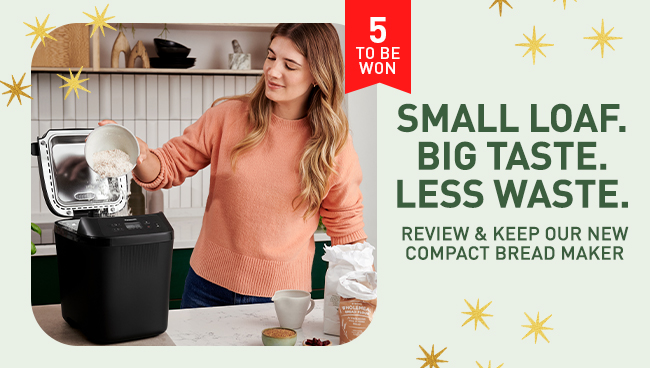
Bread makers have come a long way since their inception. Originally designed to automate the laborious process of kneading, rising, and baking, these machines brought the bakery experience right into our homes. Early models were often bulky, dominating valuable countertop real estate. However, as living spaces became more compact and the demand for efficiency grew, manufacturers innovated. This led to the development of the compact bread maker, specifically engineered to produce smaller loaves, typically around one pound, catering to individuals, couples, or small families who desire fresh bread daily without excess waste. This shift reflects a broader trend towards appliances that seamlessly integrate into diverse lifestyles, proving that good things really do come in small packages.
Why Choose a Mini Bread Maker? Unveiling the Benefits
Deciding to bring a mini bread maker into your home offers a surprising array of advantages that go beyond just fresh bread.
Space-Saving Design for Modern Kitchens
One of the most compelling reasons to opt for a mini bread maker is its footprint. Unlike their larger counterparts, these machines are designed to be compact, making them perfect for apartments, small kitchens, or anyone with limited counter and storage space. You can easily tuck it away in a cabinet or keep it on display without it overwhelming your kitchen.
Ideal for Small Households and Reducing Food Waste
If you’re living solo, as a couple, or have a small family, a full-sized loaf can often lead to waste. A mini bread maker, typically producing a 1-pound loaf, solves this beautifully. You get just enough fresh bread to enjoy for a day or two, ensuring every slice is savored and reducing the likelihood of stale leftovers. This makes daily baking practical and sustainable.
Healthier Choices, Right at Your Fingertips
Making your own bread means you’re in complete control of the ingredients. You can avoid the preservatives, artificial additives, and excessive sugars often found in store-bought options. This is a huge benefit for those with dietary restrictions or anyone aiming for a cleaner diet. You can experiment with different flours, add nutrient-rich seeds, or even create gluten-free loaves tailored to your needs.
Fresh Bread, Effortlessly and Daily
The primary appeal of any bread maker is the sheer ease of use. With a mini bread maker, this convenience is amplified for smaller portions. Simply add your ingredients, select your program, and let the machine do the rest – mixing, kneading, rising, and baking. Waking up to the smell of warm, crusty bread is a simple luxury that quickly becomes a cherished daily ritual.
Energy Efficiency
Compared to heating a large conventional oven for a single loaf, a mini bread maker is a more energy-efficient option. Its self-contained heating element uses less power to bake a small loaf, contributing to lower energy bills and a greener household.
Key Features to Look For in a Mini Bread Maker
When considering a mini bread maker, certain features can significantly enhance your baking experience.
- Loaf Sizes: Most mini models specialize in 1-pound loaves, but some might offer options for slightly larger or smaller sizes. Confirm it meets your household’s needs.
- Pre-programmed Cycles: Look for essential cycles like “Basic White,” “Whole Wheat,” “French,” “Sweet,” and crucially, a “Dough” cycle if you plan to shape and bake in a conventional oven. A “Gluten-Free” setting is also a must-have for those with sensitivities.
- Crust Color Settings: Options for light, medium, and dark crusts allow you to customize your loaf to perfection.
- Delay Timer: A 13-hour delay timer is a fantastic feature, enabling you to add ingredients in the evening and wake up to a fresh loaf in the morning.
- Non-stick Pan and Easy Cleanup: A removable, non-stick baking pan and kneading blade make both baking and cleaning a breeze.
- Automatic Dispensers: Some premium models include dispensers for adding nuts, seeds, or dried fruits at the optimal time during the cycle, ensuring even distribution.
Essential Ingredients and Tools for Your Mini Bread Maker
Making bread in a mini bread maker is straightforward, but having the right ingredients and basic tools is key.
Basic Ingredients:
- Flour: Bread flour is often recommended for its higher protein content, leading to a better rise and chew. All-purpose flour can also work, but avoid self-rising flour. For gluten-free options, a dedicated gluten-free bread flour blend is essential.
- Yeast: Instant yeast, active dry yeast, or specialized bread machine yeast all work, but ensure it’s fresh for optimal activation.
- Liquid: Water or milk, ideally lukewarm (around 105-110°F or 40-43°C), to properly activate the yeast.
- Salt: Crucial for flavor and controlling yeast activity.
- Sweetener: A small amount of sugar or honey aids yeast activation and enhances flavor.
- Fat: Butter or oil adds moisture, tenderness, and flavor.
Essential Tools:
- Measuring Cups and Spoons: Accurate measurement is vital in bread making.
- Rubber Spatula: Handy for scraping down sides and ensuring all ingredients are incorporated.
“The magic of a mini bread maker lies in its precision. Every ingredient plays a role, and accurate measurements, though seemingly minor, are the foundation of a perfectly baked loaf,” advises Chef Anya Sharma, a culinary expert focused on home baking.
Mastering Your Mini Bread Maker: A Step-by-Step Guide
Using a mini bread maker is surprisingly simple, even for beginners. Here’s a typical workflow:
1. The Order of Ingredients
Most bread machine manufacturers recommend adding ingredients in a specific order to prevent the yeast from prematurely activating or being inhibited by salt. Typically, it’s:
- Liquids first: Water, milk, melted butter, or oil.
- Dry ingredients second: Flour, sugar, salt, dry milk powder (if using).
- Yeast last: Create a small well in the flour and add the yeast there, ensuring it doesn’t touch the liquid or salt until the mixing begins.
2. Selecting the Right Cycle and Crust Setting
Place the bread pan firmly into the machine. Close the lid and select the desired program (e.g., “Basic White” for a simple loaf, “Whole Wheat,” “Gluten-Free,” or “Quick Bread”). Then, choose your preferred crust color (light, medium, or dark).
3. The Mixing and Kneading Process
Press start. The machine will begin mixing and kneading the dough. It’s a good idea to check the dough ball a few minutes into the kneading cycle. It should be smooth and elastic, not too sticky or too dry. If it’s too wet, add a teaspoon of flour; if too dry, add a teaspoon of water, until the consistency is just right.
4. Rising and Baking
Once the kneading is complete, the machine will move into the rising and baking phases. Most machines have a viewing window, allowing you to watch the magic happen. Resist the urge to open the lid during these crucial stages, especially during rising, as it can cause the dough to collapse.
5. Cooling Your Masterpiece
Once the cycle finishes, the machine will often beep. Carefully remove the bread pan (it will be hot!) and invert it onto a wire rack to release the loaf. Allow the bread to cool completely for at least an hour before slicing. This step is crucial for achieving the best texture and flavor.
Beyond Basic Loaves: Creative Recipes and Tips for Your Mini Bread Maker
Your mini bread maker is a versatile tool for more than just a plain white loaf.
- Diverse Bread Varieties: Easily make whole wheat, rye, French, or sweet breads. Many machines also have specific programs for these.
- Gluten-Free Baking: The dedicated gluten-free cycle on many mini bread makers is a game-changer for those avoiding gluten, providing reliably delicious results.
- Adding Flavors: Get creative by adding mix-ins like dried cranberries, walnuts, pumpkin seeds, or herbs (rosemary, thyme) during the designated “add-ins” beep, or simply after the initial mixing.
- Dough Cycle Versatility: The “Dough” cycle is incredibly useful. It kneads and rises the dough, after which you can remove it, shape it into pizza crusts, dinner rolls, focaccia, or even cinnamon buns, and bake them in your conventional oven.
- Beyond Bread: Some advanced mini bread makers can even prepare jams or cakes, expanding your culinary repertoire significantly. Always check your machine’s manual for these exciting possibilities.
Enjoying Your Homemade Mini Loaves
There’s nothing quite like a slice of fresh, warm bread straight from your mini bread maker.
- Classic Combinations: Enjoy it simply toasted with butter and jam for breakfast, or as the base for your favorite sandwiches.
- Hearty Pairings: A warm slice of homemade bread is the perfect accompaniment to comforting soups, stews, or a fresh salad.
- Creative Servings: Cube stale bread for homemade croutons or bread pudding.
- Storage: Once completely cooled, store your mini loaf in an airtight container or a breathable bread bag (like those made from beeswax) to keep it fresh for longer.
Frequently Asked Questions About Mini Bread Makers
Are mini bread makers worth it?
Absolutely! For individuals, couples, or small families, a mini bread maker is highly worth it. It provides fresh, homemade bread with minimal effort, saves space, reduces waste, and allows for complete control over ingredients, often saving money in the long run.
What size loaf does a mini bread maker make?
Most mini bread makers are designed to produce a 1-pound loaf, which is ideal for smaller households and ensures minimal waste. Some might offer options for slightly varying small sizes.
Can I use any bread recipe in a mini bread maker?
While many standard bread recipes can be adapted, it’s best to start with recipes specifically designed for a mini bread maker or a 1-pound loaf to ensure correct ingredient ratios and optimal results. Always consult your machine’s manual.
How long does it take to make bread in a mini bread maker?
A standard basic white bread cycle typically takes around 3 to 4 hours. Many machines also feature a “quick” cycle that can produce a loaf in about 2 hours, though the texture might be slightly denser.
Is bread machine bread healthy?
Yes, homemade bread from a mini bread maker can be very healthy because you control all the ingredients. You can choose whole grains, reduce sugar and salt, and avoid preservatives found in many commercial breads.
What’s the best mini bread maker for beginners?
Models like the Zojirushi Home Bakery Mini, Cuisinart Compact Automatic Bread Maker, and certain Panasonic compact models are often highly rated for their ease of use, clear instructions, and consistent results, making them excellent choices for beginners.
The Future of Fresh Bread is Small
The mini bread maker offers a fantastic solution for anyone craving homemade bread without the commitment of larger appliances or the complexities of traditional baking. It’s a testament to how innovation can make even the most beloved culinary traditions accessible and convenient for modern life. By providing perfectly sized loaves, promoting healthier eating, and fitting neatly into any kitchen, this compact powerhouse truly delivers big flavor and even bigger benefits. So why not embrace the mini revolution and start baking your way to fresher, tastier bread today? Your taste buds (and your countertops) will thank you!