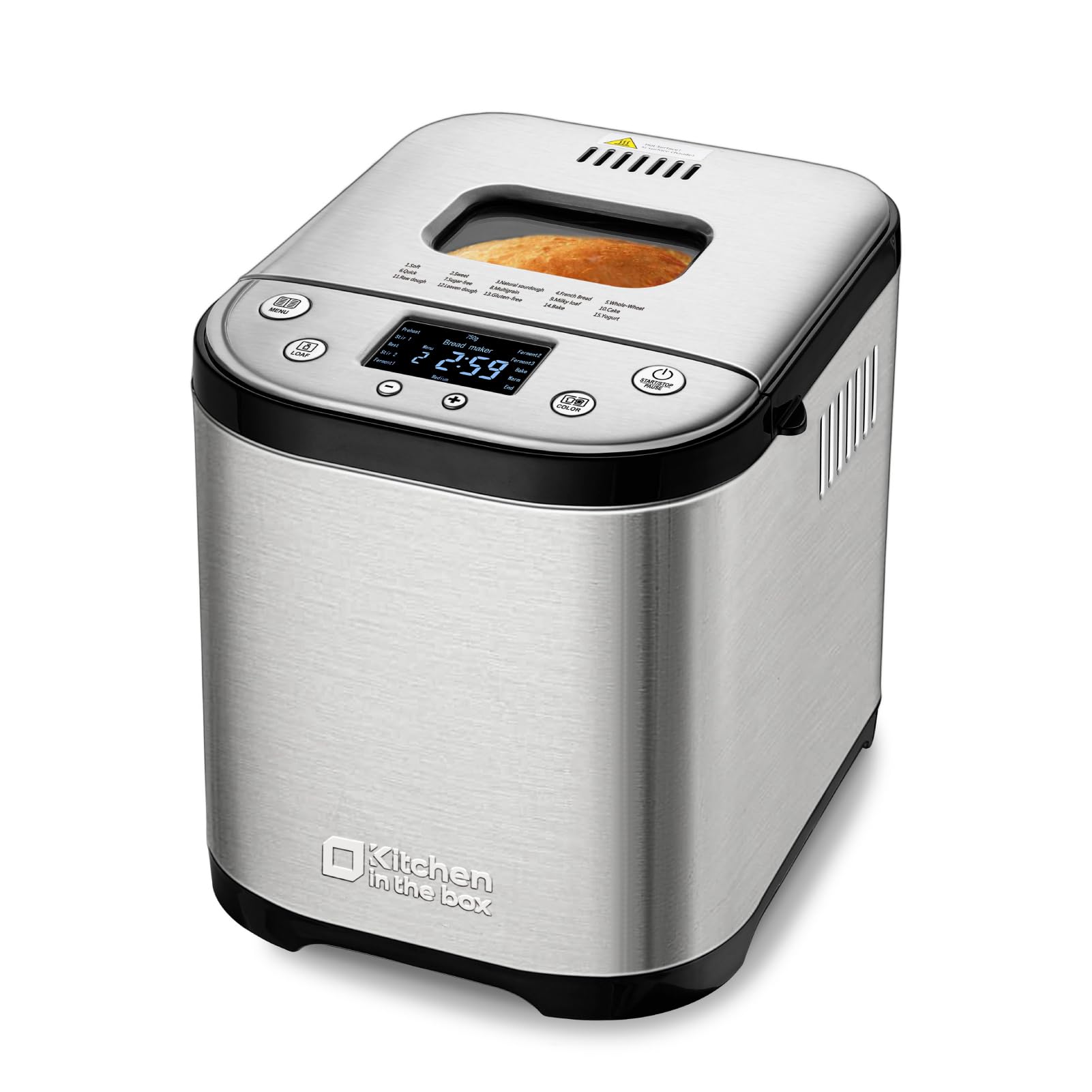
The comforting aroma of freshly baked bread wafting through your home is a simple pleasure, often associated with a laborious process. But what if you could achieve that bakery-quality loaf with minimal fuss? Enter the Japanese Bread Maker, a sophisticated kitchen appliance that has revolutionized home baking, particularly for those who cherish the delicate texture and rich flavor of Asian-style breads. Far more than just a convenience, a Japanese bread maker brings a world of culinary possibilities right to your countertop.
The Legacy of Innovation: A Brief History of Bread Makers
While home baking has ancient roots, the concept of an automated bread-making machine is a relatively modern marvel. It was in Japan, in 1986, that Matsushita Electric Industrial Co. (now Panasonic) introduced the world’s first self-contained electric bread maker for household use. This groundbreaking invention, born from meticulous research and even an apprenticeship with a master baker, marked a pivotal moment, transforming bread making from an arduous task into an accessible daily joy. Over the decades, these machines have evolved, driven by Japanese ingenuity to become highly versatile tools, capable of crafting an impressive array of baked goods with precision and ease.
What Makes a Japanese Bread Maker Stand Out?
A Japanese bread maker isn’t just another kitchen gadget; it’s a master of its craft, equipped with unique features designed for superior results. These machines offer a blend of traditional Japanese culinary wisdom and cutting-edge technology.
Precision Kneading with Dual Blades
Many premium Japanese bread makers, like certain Zojirushi models, feature dual kneading blades. Unlike single-paddle machines, these two synchronized paddles work together to ensure that all ingredients are thoroughly mixed and developed, leading to a consistently smooth, elastic dough. This meticulous kneading process is crucial for achieving the signature soft, airy crumb characteristic of Japanese breads.
Versatile Loaf Shapes for Everyday Enjoyment
While some bread makers produce tall, somewhat awkward loaves, many Japanese designs, such as the Zojirushi Home Bakery Virtuoso Plus, offer a rectangular, horizontal baking pan. This design yields a traditional, sandwich-friendly loaf that slices beautifully, making it perfect for toast, sandwiches, or simply enjoying with your favorite spread. It’s a thoughtful detail that elevates the everyday experience of homemade bread.
Beyond Bread: Mochi, Udon, and More
One of the most exciting aspects of a Japanese bread maker is its astonishing versatility. These machines often come with specialized programs that extend far beyond traditional bread. Imagine effortlessly making:
- Mochi: Those delightfully chewy Japanese rice cakes, perfect for sweet or savory applications, can be made at home with specific mochi settings that steam, knead, and pound the rice to perfection.
- Udon and Pasta Dough: Skip the store-bought versions and create fresh, elastic dough for homemade udon noodles or pasta. Some machines even include a separate kneading paddle specifically for these doughs.
- Jams and Compotes: Transform fresh fruits into delicious preserves without constant stirring over a hot stove.
- Yogurt and Baked Sweet Potatoes: Certain advanced models even offer unique functions for these culinary endeavors, truly making them multi-purpose kitchen companions.
Smart Features for Perfect Results
Modern Japanese bread makers are packed with intelligent features designed to simplify the baking process and guarantee success:
- Automatic Add Dispensers: No more waiting for a beep! These clever compartments automatically release nuts, fruits, or seeds into the dough at the optimal time during the kneading cycle, ensuring even distribution.
- Crust Control: Tailor your loaf to your preference with settings for light, medium, or dark crusts.
- Delay Timers: Prepare your ingredients the night before and wake up to the irresistible scent of freshly baked bread.
- Custom Programs: For seasoned bakers or those with specific recipes, programmable memory settings allow you to fine-tune kneading, rising, and baking times.
- Double Heaters: Some models, like the Zojirushi Maestro, incorporate dual heating elements that promote “oven spring,” resulting in a lighter, airier loaf with a wonderfully soft crust.
The Secret to Softness: Tangzhong Method Support
Many users of Japanese bread makers rave about their ability to produce exceptionally soft, fluffy bread, often associated with Japanese milk bread. This is largely due to the machine’s ability to handle the “Tangzhong” (or Yudane) method beautifully. This technique involves pre-cooking a small portion of flour and liquid into a roux, which helps the flour’s starches gelatinize and retain more moisture. While the Tangzhong itself is prepared separately, the bread maker’s precise temperature control and consistent kneading create the ideal environment for this unique dough, yielding a loaf with an incredibly tender crumb and extended freshness.
Essential Ingredients and Tools for Your Bread Maker Journey
Embarking on your Japanese bread maker adventure requires just a few basic ingredients and tools. Quality matters here, so opt for fresh ingredients when possible.
Core Ingredients:
- Flour: Bread flour is typically recommended for its higher protein content, which develops strong gluten for a good rise and chewy texture. For specialty breads, you might use sweet rice flour for mochi or whole wheat flour for healthier loaves.
- Yeast: Instant yeast is the standard for most bread machine recipes.
- Sugar: A touch of sugar feeds the yeast and aids in browning.
- Salt: Essential for flavor and controlling yeast activity.
- Liquid: Water or milk (often whole milk for milk bread) provides hydration.
- Fat: Butter or oil adds richness, tenderness, and helps with browning.
Specialty Ingredients (for Japanese recipes):
- Milk Powder: Often used in Japanese milk bread for a richer flavor and softer texture.
- Sweet Rice Flour (Mochiko): The key ingredient for homemade mochi.
Tools:
- Measuring Cups and Spoons: For accurate ingredient measurement.
- Kitchen Scale: Highly recommended for precise flour and liquid measurements, ensuring consistent results.
- Rubber Spatula: Handy for scraping down ingredients if needed.
Crafting Culinary Delights: Using Your Japanese Bread Maker
Using a Japanese bread maker is surprisingly straightforward, turning complex recipes into a simple “add and press” operation. Here’s a general guide:
- Add Ingredients in Order: Most recipes call for adding liquids first (water, milk, egg), followed by dry ingredients (flour, sugar, milk powder), and finally the yeast. Keeping the yeast separate from the liquid until the cycle begins is crucial.
- Select Your Program: Choose the appropriate setting—whether it’s a basic white bread, whole wheat, gluten-free, dough-only, or a specialized mochi or jam program.
- Add Mix-ins (if applicable): If your recipe calls for nuts, fruits, or seeds, either add them to the automatic dispenser or wait for the machine’s “add ingredient” beep to manually incorporate them.
- Press Start and Relax: The machine will take over, handling all the kneading, rising, and baking cycles.
- Cool and Enjoy: Once baked, remove the bread pan, let the loaf cool on a wire rack for at least 30 minutes before slicing. This allows the internal structure to set and prevents a gummy texture.
For Japanese milk bread, you’ll typically prepare the Tangzhong roux on the stovetop first, allow it to cool, and then add it to the bread maker along with your other liquid ingredients before proceeding with the standard steps. Many recipes for a Japanese bread maker will guide you through this process with clear instructions, making it accessible even for beginners.
Elevating Your Baking Game: Tips and Creative Recipes
With a Japanese bread maker, your culinary imagination is the only limit. Here are some ideas to truly elevate your baking.
Mastering Japanese Milk Bread
The quest for the ultimate soft, fluffy Japanese milk bread ends with your bread maker. After preparing the Tangzhong, the machine will perfectly knead the dough, creating a loaf that’s ideal for sandwiches, toast, or simply tearing and enjoying. Experiment with adding a touch of honey or condensed milk for an extra layer of sweetness.
Homemade Mochi Magic
Unlock the unique mochi setting on your Japanese bread maker to create delectable rice cakes. You can customize them with flavors like matcha, black sesame, or kinako (roasted soybean flour). Serve them fresh, lightly toasted, or incorporated into desserts.
Exploring Udon and Pasta Doughs
The dough-only cycle is a game-changer for homemade noodles. Simply add your flour, water, and salt (for udon) or eggs (for pasta), and let the machine do the heavy lifting. Once the dough is ready, you can roll and cut it by hand or with a pasta machine for fresh, authentic results.
Customizing with Add-ins
Take your bread beyond the basic loaf by incorporating your favorite mix-ins. Think sweet cinnamon swirls, savory cheese and herb loaves, or hearty whole-grain breads studded with nuts and dried fruits. The automatic dispenser ensures they’re evenly distributed throughout the dough.
As Chef Hiroshi Tanaka, a renowned Japanese pastry expert, once shared, “A good Japanese bread maker isn’t just about convenience; it’s about consistency and control, allowing home bakers to achieve results that rival professional bakeries, especially with delicate doughs like milk bread.”
The Sweet Rewards: Benefits of Home Baking with a Japanese Bread Maker
Investing in a Japanese bread maker offers a multitude of benefits that extend beyond simply having fresh bread.
Healthier Choices and Ingredient Control
When you bake at home, you have complete control over what goes into your bread. You can choose organic flours, reduce sugar and salt, avoid preservatives, and cater to dietary restrictions like gluten-free or vegan needs. This translates to healthier, more wholesome bread for you and your family.
Convenience and Time-Saving
The “set it and forget it” nature of a bread maker is its greatest appeal. Simply add ingredients, select a program, and let the machine handle the rest. This is perfect for busy weekdays, allowing you to wake up to a fresh loaf or have one ready after work without spending hours in the kitchen.
Cost-Effectiveness in the Long Run
While the initial investment in a high-quality Japanese bread maker might seem significant, it quickly pays for itself. The cost of homemade bread ingredients is often substantially less than buying artisanal loaves from a bakery or even many store-bought options, especially if you have specific dietary requirements.
Reduced Kitchen Mess
Baking bread from scratch usually involves flour dust, sticky dough, and a pile of dishes. With a bread maker, the entire process—mixing, kneading, rising, and baking—happens in one self-contained unit. Cleanup is typically limited to the removable bread pan, keeping your kitchen spotless.
The Unparalleled Taste and Aroma of Fresh Bread
Nothing compares to the sensory experience of warm, freshly baked bread. The rich aroma filling your home and the first bite of a tender, flavorful slice are simple luxuries that a Japanese bread maker delivers consistently.
Savoring Your Creation: Enjoying Homemade Bread
Once your Japanese bread maker has worked its magic, the best part begins: enjoying your creation!
- Classic Toast: Slice a warm piece and slather it with butter, jam, or your favorite spread.
- Perfect Sandwiches: The traditional rectangular shape of loaves from many Japanese bread makers makes them ideal for hearty sandwiches.
- Pair with Meals: Serve your homemade bread alongside soups, stews, or salads.
- Creative Uses: Leftover bread (if there ever is any!) can be transformed into delicious croutons, bread pudding, or French toast.
Remember to store any remaining bread properly in an airtight container or bread bag to maintain its freshness, though with its irresistible taste, it rarely lasts long!
Frequently Asked Questions About Japanese Bread Makers
What is the main difference between a Japanese bread maker and a regular one?
Japanese bread makers often feature specialized programs for unique items like mochi and udon dough, boast advanced kneading systems (like dual paddles), and are renowned for producing exceptionally soft, airy breads, especially suited for the Tangzhong method. They are also known for their durability and thoughtful design.
Can I make gluten-free bread in a Japanese bread maker?
Absolutely! Most modern Japanese bread makers include dedicated gluten-free settings that optimize the kneading and rising cycles for gluten-free flours, which behave differently than wheat flour.
How do Japanese bread makers handle the Tangzhong method?
While the Tangzhong roux itself is prepared separately on the stovetop, Japanese bread makers provide the ideal environment for the resulting dough. Their precise temperature control during proofing and consistent, gentle kneading cycles are perfect for developing the tender texture that the Tangzhong method promotes, leading to incredibly soft milk bread.
Are Japanese bread makers worth the investment?
For home bakers who prioritize convenience, versatility, superior bread quality (especially for Asian-style breads), and the ability to make a variety of non-bread items, a Japanese bread maker is undoubtedly a worthwhile investment that pays dividends in taste and time saved.
Which Japanese bread maker brand is best, Zojirushi or Panasonic?
Both Zojirushi and Panasonic are highly respected brands known for their quality. Zojirushi is often praised for its robust build, dual kneading blades, traditional loaf shapes, and superior performance for artisanal loaves. Panasonic models are valued for their user-friendly interfaces, consistent results, and extensive program options. The “best” depends on individual preferences for features, budget, and desired loaf characteristics.
What other non-bread items can I make?
Beyond various types of bread and dough, many Japanese bread makers can prepare mochi, udon and pasta dough, jams, compotes, and even cakes. Some advanced models may also offer settings for yogurt or baked sweet potatoes, expanding their utility significantly.
The Journey to Perfect Homemade Bread Starts Here
The Japanese bread maker is more than just an appliance; it’s an invitation to a world of delicious, homemade possibilities. With its innovative features, dedication to quality, and ability to craft a wide array of culinary delights, a Japanese bread maker empowers you to create fresh, wholesome, and incredibly tasty food with ease. Embrace the art of effortless baking and discover the joy that a high-quality Japanese bread maker can bring to your kitchen.