There’s something uniquely comforting about the aroma of freshly baked bread wafting through your home. It’s a scent that promises warmth, sustenance, and a touch of homemade magic. Yet, in our increasingly compact living spaces, the dream of daily homemade bread can feel out of reach, often sidelined by the perceived bulk of traditional kitchen appliances. This is precisely where the ingenious Compact Bread Maker steps in, transforming that dream into a delicious reality for every home, no matter how small. These space-saving powerhouses are designed to deliver all the joy of artisanal bread without monopolizing your precious countertop.
What Exactly is a Compact Bread Maker?
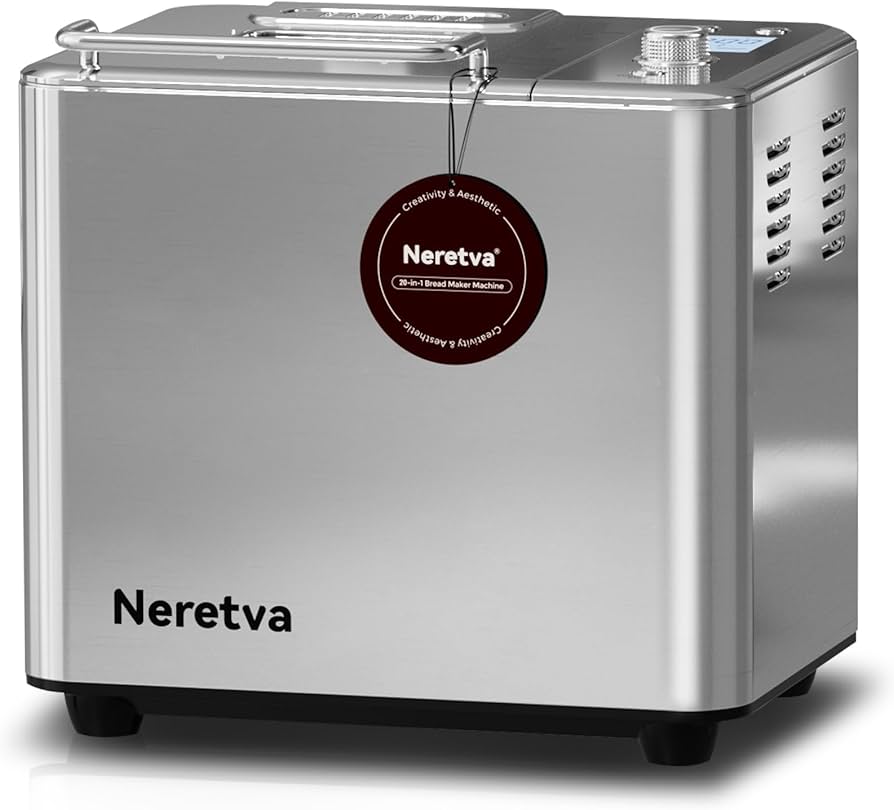
At its heart, a compact bread maker is a streamlined, scaled-down version of its larger counterparts, meticulously engineered for kitchens where every inch counts. While standard bread machines might sprawl across your counter, a compact model typically boasts a footprint 30-40% smaller, making it an ideal companion for apartments, RVs, or any small home.
Don’t let the “compact” label fool you into thinking you’ll be baking tiny slices. Many of these nimble machines can still effortlessly bake substantial 1.5 or 2-pound loaves, just like a standard model. The primary difference often lies in the shape: instead of wide, horizontal loaves, compact bread makers frequently produce taller, more vertical loaves, maximizing volume within their smaller physical dimensions. It’s a clever design choice that ensures you get plenty of bread without sacrificing precious kitchen real estate.
A Brief History and the Rise of the Compact Bread Maker
The journey of bread making has evolved dramatically, from ancient hands kneading dough to the advent of automated machines. The first automatic bread makers emerged in the late 20th century, revolutionizing home baking by integrating mixing, kneading, rising, and baking into a single, effortless process. These early machines, while groundbreaking, were often bulky, reflecting the larger kitchen designs of their era.
As living spaces became smaller and urban populations grew, the demand for appliances that could fit seamlessly into these new environments intensified. This societal shift spurred innovation, leading to the development of the compact bread maker. Engineers focused on miniaturizing components and optimizing internal design, culminating in the sleek, efficient machines we see today. These modern compact models represent a perfect blend of convenience and intelligent design, bringing the timeless pleasure of homemade bread to contemporary households without compromise.
Exploring the Types and Key Features of Compact Bread Makers
Despite their smaller stature, compact bread makers are packed with features, offering much of the versatility found in larger models. Brands like Cuisinart and Zojirushi Home Bakery Mini are particularly renowned in this category, each bringing their unique strengths to the table.
Common Features You’ll Find:
- Multiple Programs: Most compact machines come with a variety of pre-programmed settings. These typically include options for basic white bread, whole wheat, French bread, and even specialized dough cycles for pizza or pasta. Many also feature settings for quick breads, cakes, and jams, essentially making them multi-functional kitchen assistants.
- Crust Settings: Customize your loaf to perfection with options for light, medium, or dark crusts, catering to personal preferences.
- Delay Start Timers: Imagine waking up to the irresistible scent of freshly baked bread. A delay timer allows you to add ingredients hours in advance and set the machine to start baking at a specific time, ensuring a warm loaf is ready precisely when you want it.
- Viewing Windows: A small window in the lid lets you peek at your dough’s progress without disrupting the baking cycle, adding a touch of interactive fun to the process.
Advanced Features for the Avid Baker:
- Automatic Dispensers: Some premium compact models feature automatic fruit and nut dispensers. These cleverly add your mix-ins (like raisins, seeds, or chocolate chips) at the optimal moment during the kneading cycle, preventing them from being crushed or over-mixed.
- Dual Heating Elements: For an even more consistent bake and superior crust, some compact bread makers incorporate dual heating elements, mimicking the performance of professional bakery ovens.
- Custom Memory Functions: Enthusiastic bakers will appreciate machines that allow you to save your own custom programs, giving you full control over kneading, rising, and baking times for truly personalized recipes.
- Gluten-Free Settings: A vital feature for many, dedicated gluten-free programs accommodate the unique properties of gluten-free flours, ensuring proper mixing and rising for delicious, allergy-friendly loaves.
When choosing a compact bread maker, consider which features align best with your baking habits and dietary needs. Even the most basic compact models offer incredible convenience, while advanced options unlock a world of culinary experimentation.
Essential Ingredients and Tools for Your Compact Bread Maker
Embarking on your compact bread maker journey is delightfully straightforward, but like any good recipe, it starts with the right ingredients and a few simple tools.
What are the fundamental ingredients for bread machine baking?
The core components of almost any bread machine recipe are flour, yeast, liquid, salt, and often a touch of sugar or sweetener.
- Flour: While all-purpose flour can work, bread flour is highly recommended. Its higher protein content leads to better gluten development during kneading, resulting in taller, lighter, and chewier loaves.
- Yeast: Opt for instant yeast or bread machine yeast (also called rapid-rise yeast). These are designed to activate quickly and don’t require pre-mixing with water, making them perfect for the “dump-and-go” convenience of a bread maker. Avoid active dry yeast unless your recipe specifically calls for it and includes activation steps.
- Liquid: Most recipes call for water or milk. Crucially, the liquid should be lukewarm (around 100-110°F or 38-43°C). Too cold, and the yeast will be sluggish; too hot, and it could kill the yeast, leading to a dense, unrisen loaf.
- Salt: Essential for flavor and controlling yeast activity.
- Sweetener: A small amount of sugar, honey, or maple syrup not only adds subtle flavor but also feeds the yeast, helping it activate and rise.
What tools will I need beyond the bread maker?
You’ll need accurate measuring cups and spoons for both dry and liquid ingredients. A rubber spatula can be handy for scraping down the sides of the pan during the initial mix if needed. And of course, oven mitts and a wire cooling rack are indispensable for handling your freshly baked, hot loaf.
Mastering Your Compact Bread Maker: A Step-by-Step Guide
Using a compact bread maker is incredibly user-friendly, even for absolute beginners. Follow these steps for consistently delicious results:
How do I start using my new compact bread maker?
The very first and most important step is to read your bread maker’s manual. While general principles apply, each model has unique components, settings, and recommended ingredient orders.
- Prepare the Pan: Remove the bread pan from the machine. Ensure the kneading paddle is securely in place at the bottom of the pan.
- Add Ingredients in Order: This is crucial. Most recipes recommend adding ingredients in a specific sequence to prevent the yeast from prematurely activating or interacting with salt. The typical order is:
- Liquids (water, milk, eggs, oil/butter)
- Dry ingredients (flour, sugar, salt, dry milk powder, spices)
- Yeast (placed last, often in a small well on top of the flour, away from liquid and salt)
- Expert Tip from Dr. Anya Sharma: “Think of it as building layers to protect your yeast. Keeping it separate from liquids and salt until the mixing cycle begins ensures optimal activation and a perfect rise.”
- Return Pan to Machine: Securely place the loaded bread pan back into the bread maker. Close the lid.
- Select Your Program: Plug in the machine and select the desired program (e.g., “Basic,” “Whole Wheat,” “Gluten-Free”). Choose your loaf size (if applicable) and crust color setting (light, medium, dark). If your recipe calls for fruit or nuts, and your machine has an automatic dispenser, load them now.
- Start Baking: Press the “Start” button. The machine will now handle everything: mixing, kneading, rising, and baking.
- Remove and Cool: Once the cycle finishes, the machine will typically beep. Carefully remove the hot bread pan using oven mitts. Invert the pan to release the loaf onto a wire cooling rack. Allow the bread to cool for at least 20-30 minutes before slicing. This resting period is vital for the bread’s texture and flavor.
Tips and Creative Recipes for Your Compact Bread Maker
Your compact bread maker is a versatile tool, capable of so much more than just a basic white loaf. With a few tips and a dash of creativity, you can unlock its full potential.
What are some common issues and how can I fix them?
If your bread is too dense, it might be due to inactive yeast or too little liquid. If it rises and then collapses, there might be too much liquid or too much yeast. Always double-check ingredient measurements and yeast freshness. Using the correct flour, like high-protein bread flour, can also prevent brick-like loaves.
Can I make more than just bread in my compact bread machine?
Absolutely! Most compact bread makers come with specific settings for different doughs. Use the “Dough” cycle to prepare:
- Pizza Dough: After the cycle, simply remove the dough, shape it, add toppings, and bake in your oven.
- Pasta Dough: The machine perfectly kneads dense pasta dough, ready for rolling and cutting.
- Dinner Rolls or Buns: Prepare the dough, then shape and bake in a conventional oven for a beautiful golden finish.
Beyond dough, many machines can also make:
- Jams and Compotes: Utilizing a specialized “Jam” setting, your bread maker can simmer fruits into delicious spreads.
- Cakes: Quick bread recipes, like banana bread or poppy seed cake, often bake beautifully in the bread machine.
- Expert Tip from Dr. Anya Sharma: “Don’t be afraid to experiment! Your compact bread maker is a culinary canvas. Try adding different herbs, cheeses, or even sun-dried tomatoes to savory loaves, or dried fruits and citrus zest for a sweet treat. The possibilities are endless.”
The Rewarding Benefits of Homemade Bread with a Compact Machine
Embracing a compact bread maker brings a multitude of benefits, enhancing your lifestyle and enriching your culinary experience.
What are the primary advantages of owning a compact bread maker?
The core benefit is enjoying fresh, wholesome bread daily with minimal effort and without sacrificing valuable kitchen space.
- Space Efficiency: This is the most compelling advantage. Their small footprint (30-40% smaller than standard models) means they fit comfortably in even the most cramped kitchens, making homemade bread accessible to everyone.
- Healthier Options: When you bake your own bread, you control every ingredient. This means no artificial preservatives, excessive sodium, or unwanted additives often found in store-bought loaves. You can tailor recipes to specific dietary needs, such as gluten-free or low-sugar options.
- Unbeatable Freshness and Aroma: Nothing compares to the taste and scent of bread baked just hours ago. Your home will be filled with a comforting, inviting aroma that artificial air fresheners can only dream of replicating.
- Cost-Effectiveness: While there’s an initial investment, the cost of ingredients for a homemade loaf is significantly less than purchasing artisan bread from a bakery. Over time, your compact bread maker will pay for itself many times over.
- Convenience and Time-Saving: Despite the multi-hour baking cycle, your hands-on time is typically just minutes. You dump the ingredients, press a button, and the machine handles the rest—mixing, kneading, rising, and baking. It’s a truly hands-off experience.
- Energy Efficiency: Smaller appliances often consume less electricity. The compact heating elements in these machines require less power to reach and maintain baking temperatures, making them more environmentally friendly and economical in the long run.
- Less Mess: All the mixing and kneading happens within the enclosed bread pan, preventing flour dust and sticky dough from spreading across your kitchen counters, a stark contrast to traditional hand-baking.
Enjoying Your Homemade Loaf: Serving Suggestions and Pairings
The moment your compact bread maker signals its completion is one of pure anticipation. But patience is a virtue, especially with warm bread!
What’s the best way to enjoy freshly baked bread?
Allowing your loaf to cool for at least 20-30 minutes on a wire rack is crucial. This cooling period allows the internal structure of the bread to set and starches to gelatinize, resulting in a softer texture and better sliceability. Slicing too early can lead to a gummy texture.
Once cooled, the possibilities are endless:
- Simple Pleasures: A warm slice, slathered with butter, a dollop of homemade jam, or a drizzle of local honey, is a timeless delight.
- Savory Pairings: Homemade bread is the perfect accompaniment to hearty soups, stews, or chili, soaking up every last drop of flavorful broth.
- Sandwich Perfection: Create the ultimate sandwich with slices of your freshly baked bread, whether it’s a classic grilled cheese, a robust club sandwich, or a light veggie delight.
- Breakfast & Brunch: Toast slices for a satisfying breakfast, serve with poached eggs and avocado, or use it as the base for French toast.
- Cheese Boards: A rustic, homemade loaf elevates any cheese board, providing a perfect counterpoint to creamy brie or sharp cheddar.
Frequently Asked Questions About Compact Bread Makers
Here are some common questions we hear about compact bread makers:
Q: Is it really worth investing in a compact bread maker?
A: Yes, absolutely! Like many convenient kitchen gadgets, a compact bread maker isn’t strictly necessary, but it makes homemade bread incredibly easy and accessible. It saves time and effort compared to traditional baking, controls variables like temperature and kneading, and offers significant long-term savings over store-bought artisanal loaves. The fresh taste and aroma alone make it a worthwhile addition to any kitchen.
Q: Can I make gluten-free bread in a compact bread machine?
A: Yes, most modern compact bread machines include dedicated gluten-free settings. These programs are specifically designed to accommodate the unique requirements of gluten-free dough, which often needs different mixing, rising, and baking times. Always use recipes developed for bread machines and ensure your ingredients are certified gluten-free to prevent cross-contamination.
Q: Do compact bread makers produce smaller loaves than standard machines?
A: Not necessarily. Many compact bread makers can still bake full 1.5- to 2-pound loaves, similar to standard machines. The primary difference is often in the loaf’s shape, which tends to be taller and more vertical rather than wide, to maximize space efficiency within the smaller appliance footprint. Some models do specialize in 1-pound loaves, perfect for smaller households.
Q: Are compact bread machines more difficult to clean?
A: Generally, no. Most compact bread makers feature removable, non-stick bread pans and kneading paddles that are easy to hand wash. The smaller size can even make some parts easier to access for cleaning. Always remember to unplug the unit before cleaning and avoid immersing the main body in water.
Q: Can compact bread machines handle artisan and specialty breads?
A: Many compact models offer programs for artisan and specialty breads, including whole grain and sourdough options. For the best results with specialized recipes, look for machines with customizable programs that allow you to adjust kneading, rising, and baking times to suit specific dough requirements.
Embrace the Joy of Freshly Baked Bread!
The compact bread maker is more than just an appliance; it’s an invitation to bring the warmth, aroma, and nourishing goodness of homemade bread into your daily life, even when space is at a premium. From its clever space-saving design to its versatile programs and the sheer convenience it offers, a compact bread maker is a true game-changer for busy households and small kitchens alike. It empowers you to control your ingredients, experiment with flavors, and indulge in the simple, profound pleasure of a perfectly crafted loaf. So, go ahead, explore the possibilities, and let your compact bread maker fill your home with the irresistible magic of freshly baked bread.