There’s something truly magical about the aroma of freshly baked bread wafting through the air, isn’t there? For any bakery or restaurant, that scent is more than just a pleasant smell; it’s a promise of quality, freshness, and an experience that keeps customers coming back. To consistently deliver on that promise, especially in a high-demand environment, a powerful tool becomes indispensable: the Commercial Bread Maker. This isn’t just a fancy appliance; it’s the heart of efficient, high-quality bread production, designed to transform your baking operation.
In the bustling world of commercial kitchens, where every minute and every loaf counts, a dedicated commercial bread maker stands as a testament to precision and productivity. Forget the small, countertop models designed for home use; we’re talking about robust, workhorse machines built to withstand the rigors of continuous, large-scale production, ensuring every slice, every crust, and every crumb meets your exacting standards.
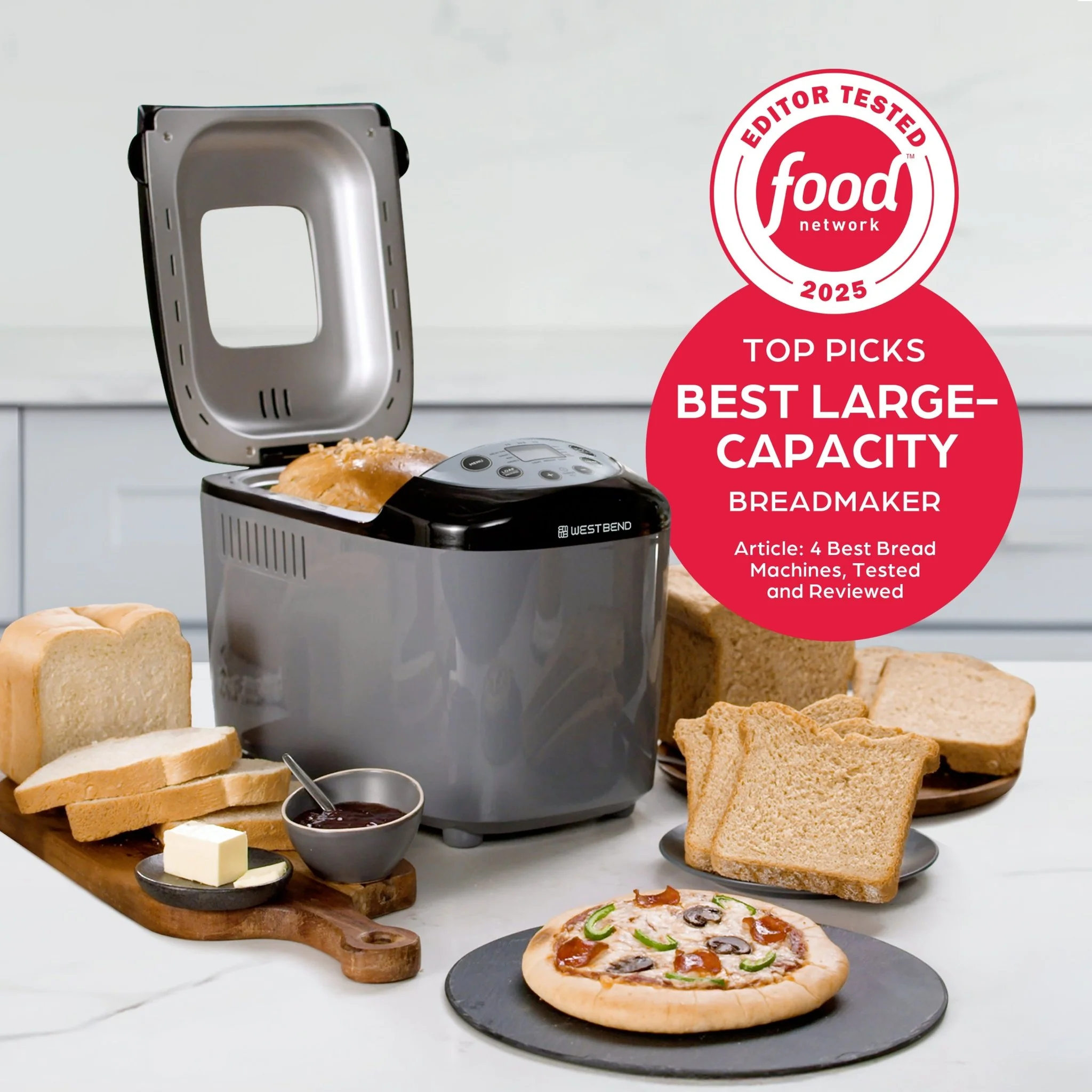
The Heart of a Bakery: Why Commercial Bread Makers Matter
Running a successful bakery in today’s competitive market demands more than just passion; it requires consistency, efficiency, and the ability to scale. This is precisely where a commercial bread maker shines. These machines are engineered to streamline your bread production, allowing you to meet high demand without compromising on the quality that defines your brand.
Unlike their domestic counterparts, commercial bread makers are built for endurance and volume. They tackle the strenuous tasks of mixing, kneading, proofing, and baking large quantities of dough with unwavering precision, removing the guesswork and manual labor from the equation. This automation translates directly into consistent results, batch after batch, ensuring that your customers always enjoy the same perfect texture, flavor, and appearance they expect. From artisan sourdoughs to classic sandwich loaves, these machines empower businesses to achieve a level of uniformity that is nearly impossible to maintain with manual processes, ultimately boosting customer satisfaction and loyalty.
Key Features That Define a Superior Commercial Bread Maker
Choosing the right commercial bread maker is a strategic decision that can significantly impact your bakery’s productivity and product quality. When exploring the market, several key features stand out as crucial for optimal performance:
Capacity: Matching Machine to Production Needs
One of the first and most critical considerations is capacity. A commercial bread maker’s capacity is typically measured by the amount of dough it can process at once. Do you run a small café needing a few dozen loaves daily, or a large-scale bakery churning out hundreds? Selecting a machine that perfectly aligns with your daily production volume is essential to avoid bottlenecks or underutilized equipment. A high-capacity machine ensures you can keep up with demand during peak hours, while a more modest model might suit a smaller, artisanal operation.
Versatility: Handling Various Dough Types
The ability to produce a diverse range of breads is a significant advantage. A top-tier commercial bread maker offers versatile options, including various dough settings and specialty bread programs. Look for models that can effortlessly handle everything from light white bread and rich brioche to dense whole grain, chewy sourdough, and even gluten-free doughs. Machines with multiple settings and customizable programs allow you to expand your menu and cater to a wider array of customer preferences without needing multiple specialized units.
Durability and Build Quality: Built to Last
Investing in a commercial bread maker is a long-term commitment. Therefore, durability is paramount. These machines must withstand the relentless demands of a busy commercial kitchen, day in and day out. Opt for models constructed from high-quality, heavy-duty materials like stainless steel or cast iron, known for their resilience and ease of cleaning. Solid construction and reliable internal components are hallmarks of equipment designed to offer a lifespan of 5 to 10 years, or even more, with proper maintenance. This robust build protects your investment and minimizes the risk of costly breakdowns.
Efficiency and Ease of Use: Streamlining Your Workflow
In a fast-paced environment, efficiency is king. A good commercial bread maker should offer features that streamline your production process. Look for programmable settings that allow you to save your most used recipes, multiple speed options for precise dough handling, and automatic timers or delay-start functions. Intuitive controls and clear instructions are vital, ensuring that your staff can operate the machine effectively with minimal training. Furthermore, machines designed for easy cleaning, often with removable, non-stick components, save valuable time and help maintain strict hygiene standards. This combination of features reduces labor costs and enhances overall operational flow.
Consistency: The Secret to Customer Loyalty
Ultimately, consistency is the foundation of any successful bakery. A high-quality commercial bread maker guarantees that your dough is mixed evenly, proofed perfectly, and baked uniformly every single time. This eliminates the variables inherent in manual preparation, leading to predictable, high-quality results in texture, flavor, and appearance. When every loaf meets the same elevated standard, customer satisfaction soars, fostering repeat business and a strong brand reputation.
Beyond the Basics: Enhancing Your Commercial Bread Production
A commercial bread maker isn’t just an isolated piece of equipment; it’s part of a larger ecosystem in a professional kitchen that can significantly enhance your overall production capabilities.
Integration with Other Equipment
To maximize efficiency and output, consider how your bread maker integrates with other essential bakery equipment. Commercial mixers, for instance, often handle the initial large-batch dough preparation before it moves to the bread maker for specific programs. Proofing cabinets provide the ideal environment for dough to rise consistently, ensuring perfect texture. For post-baking, commercial bread slicers can quickly and uniformly slice loaves, saving labor and improving presentation. Even high-quality deck ovens play a role, offering precise baking for artisan breads that might complement your machine-made staples. This holistic approach ensures every step of the bread-making journey is optimized.
Cost-Effectiveness in the Long Run
While the initial investment in a quality commercial bread maker might seem substantial, it’s crucial to view it as a long-term strategic asset. The efficiency gains, reduced labor costs, and consistent product quality quickly translate into significant savings. Less wasted dough, fewer errors, and faster production cycles contribute to a healthier bottom line. Over time, these machines pay for themselves through increased output and operational savings, proving to be a smart financial decision for any growing business.
Customization Potential
A versatile commercial bread maker opens up a world of culinary possibilities. Beyond standard loaves, these machines allow for extensive recipe experimentation and customization. Want to add unique seeds, grains, or spices? Adjust proofing times or crust settings? Many commercial models offer the flexibility to create signature breads that truly differentiate your establishment. This ability to innovate keeps your offerings fresh and exciting, appealing to a broader customer base and solidifying your brand’s unique identity.
Choosing Your Ideal Commercial Bread Maker: A Smart Investment
Selecting the perfect commercial bread maker for your business involves a thoughtful evaluation of several factors. It’s not just about finding the most expensive or feature-rich model; it’s about finding the best fit for your specific needs. Consider the size of your bakery or restaurant, the daily volume of bread you aim to produce, and the variety of bread types you plan to offer. Your budget will naturally play a role, but remember to balance cost with the long-term benefits of quality and durability.
Don’t overlook brand reputation and customer reviews. Reputable manufacturers often have a track record of producing reliable equipment and offering excellent customer service and warranty support. Reading insights from other commercial users can provide invaluable perspectives on a machine’s real-world performance and longevity.
As baking expert Chef Anya Sharma often says, “A great commercial bread maker isn’t just about automation; it’s about empowerment. It frees up your skilled bakers to focus on artistry, knowing the foundation of consistent quality is always in place.”
Tips for Maximizing Your Commercial Bread Maker’s Performance
To truly get the most out of your commercial bread maker, a few best practices can make a world of difference:
- Regular Cleaning and Maintenance: Just like any piece of high-performance machinery, a commercial bread maker thrives on consistent care. Adhere to the manufacturer’s cleaning schedule, paying close attention to blades, pans, and internal mechanisms. Regular maintenance checks can prevent minor issues from becoming costly repairs.
- Experiment with Recipes and Settings: Don’t be afraid to push the boundaries of your machine’s capabilities. Explore different bread recipes, adjust settings for crust darkness, and fine-tune proofing times to discover new textures and flavors. Many machines offer programmable memory, allowing you to save your perfected custom recipes.
- Staff Training: Ensure all team members who operate the commercial bread maker are thoroughly trained. Understanding its features, proper loading techniques, and troubleshooting basics will minimize errors, enhance efficiency, and extend the life of the equipment.
Frequently Asked Questions About Commercial Bread Makers
How long do commercial bread makers typically last?
A well-maintained commercial bread maker can last anywhere from 5 to 10 years, or even longer, depending on usage frequency and the quality of the initial investment. Regular cleaning and timely servicing are key to maximizing its lifespan.
Can commercial bread makers handle gluten-free or specialty doughs?
Yes, most modern commercial bread makers are designed with versatility in mind and can handle a wide variety of doughs, including gluten-free, whole grain, rye, and other specialty doughs. Look for models with specific settings or customizable programs for these types.
Are commercial bread makers energy efficient?
Many contemporary commercial bread makers are engineered with energy efficiency as a priority. They often feature optimized heating elements and insulation to reduce electricity consumption while maintaining consistent, optimal performance, leading to lower operating costs over time.
What are the maintenance requirements for a commercial bread maker?
Maintenance typically involves daily cleaning of dough-contact surfaces, regular inspection of kneading paddles and seals, and periodic professional servicing. Always refer to the manufacturer’s manual for specific guidelines to ensure longevity and hygiene.
How does capacity impact my bakery’s output?
The capacity of your commercial bread maker directly dictates how much dough you can process in a single batch. Choosing a machine with a capacity that matches or slightly exceeds your peak demand ensures consistent production without interruptions, allowing you to meet customer orders efficiently and scale your operations.
Conclusion
In the demanding world of professional baking, the commercial bread maker stands as a pivotal investment, transforming raw ingredients into the golden, aromatic loaves that delight customers. From ensuring unparalleled consistency and boosting operational efficiency to offering the flexibility for culinary innovation, the benefits are undeniable. By carefully considering capacity, versatility, durability, and ease of use, you can select the perfect machine to meet your bakery’s unique needs and propel your business forward. Embrace this powerful technology, and watch as your bread production reaches new heights of quality and profitability. Your customers – and your business – will certainly thank you for it.