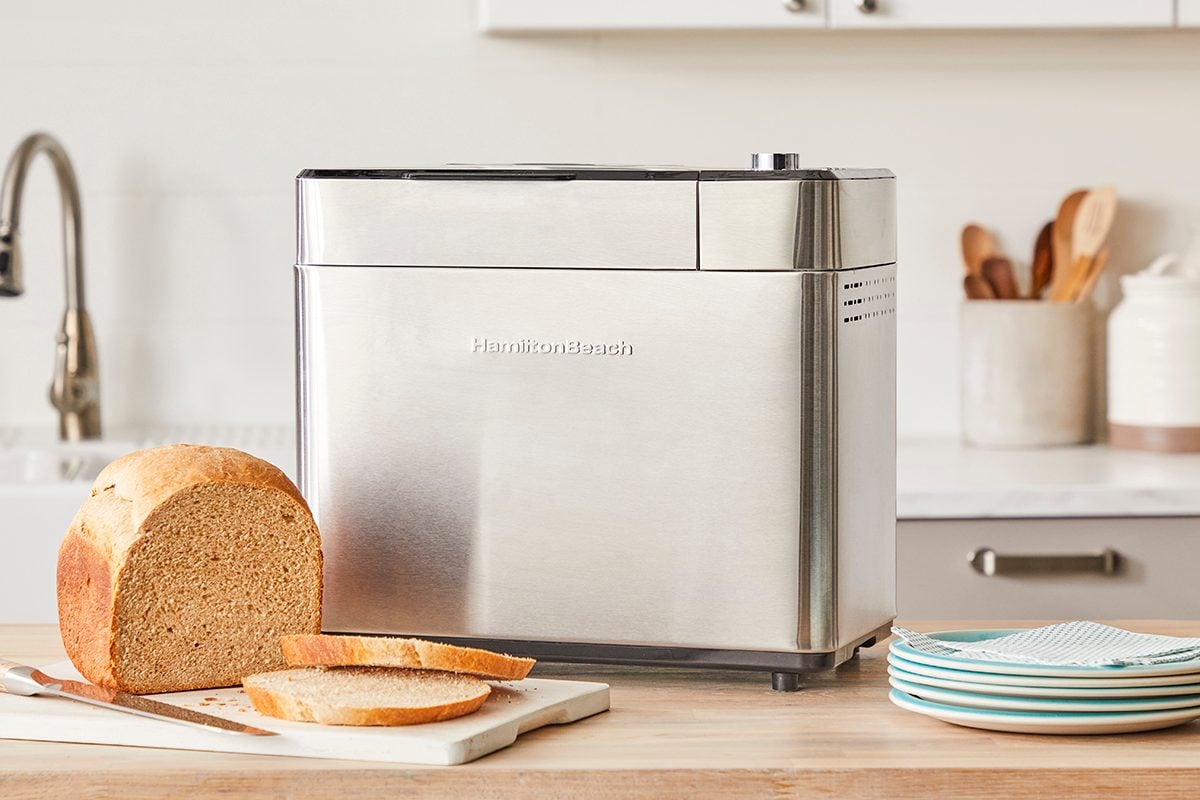
Imagine waking up to the irresistible aroma of freshly baked bread, a golden-brown loaf waiting to be sliced and savored. With a Ceramic Bread Maker, this delightful scene isn’t just a fantasy; it’s a daily reality made simpler and healthier. This innovative kitchen appliance offers a fantastic way to enjoy delicious, homemade bread with the added peace of mind that comes from its non-toxic, non-stick ceramic pan. Whether you’re a seasoned baker or just starting your bread-making journey, a ceramic bread maker is poised to revolutionize your kitchen experience.
The Evolution of Bread Making: From Hearth to Home Appliance
For millennia, bread has been a staple, its creation a cornerstone of human civilization. From ancient hearths to communal ovens, the art of bread making was a time-honored tradition, often demanding significant effort and skill. Fast forward to the late 20th century, and the invention of the electric bread maker brought this ancient craft directly into our homes, automating the once laborious processes of mixing, kneading, rising, and baking. This convenience marked a significant leap, making homemade bread accessible to everyone. Today, bread makers continue to evolve, with advancements like the ceramic bread pan leading the charge in delivering even healthier and more user-friendly baking solutions.
Why Choose a Ceramic Bread Maker? The Healthier, Smarter Way to Bake
Stepping into the world of ceramic bread makers means embracing a smarter, more health-conscious approach to baking. The core differentiator lies in the bread pan itself, offering benefits that go beyond simple convenience.
Ceramic: A Health-Conscious Choice
Many traditional non-stick bread pans have historically used coatings containing chemicals like PTFE (polytetrafluoroethylene) and PFOA (perfluorooctanoic acid), which have raised health concerns. Ceramic bread maker pans, however, are a breath of fresh air. They are engineered to be free from these substances, as well as PFAS (per- and polyfluoroalkyl substances), lead, and cadmium. This means you can bake your family’s favorite loaves without worrying about potentially harmful chemicals leaching into your food, offering a genuine sense of peace of mind. Manufacturers often highlight the “food-grade ceramic inner pot” as a key safety feature.
Effortless Non-Stick Performance
There’s nothing quite like bread that slides cleanly out of the pan, leaving no frustrating bits stuck behind. Ceramic bread pans boast a naturally smooth, non-stick surface that ensures effortless food release. This not only makes removing your perfectly baked loaf a joy but also often means you can use less oil or cooking fat in your recipes, contributing to lighter, healthier bread.
Cleaning Made Simple
Anyone who bakes regularly knows the struggle of scrubbing stubborn, baked-on dough. With a ceramic bread maker pan, that’s largely a thing of the past. Its superior non-stick properties mean that any residue simply slides off, making cleanup a quick and easy task. A simple wipe with a soft cloth and warm, soapy water is usually all it takes to have your pan sparkling clean and ready for its next baking adventure.
Superior Heat Distribution for Perfect Loaves
Even heat distribution is paramount for consistently good bread. Ceramic-coated bread pans are typically constructed with a metal core, such as aluminum or aluminized steel, which is excellent at conducting and distributing heat uniformly. This ensures that your dough bakes evenly from crust to center, resulting in a beautifully golden crust and a soft, fluffy interior every single time. No more unevenly baked loaves or frustrating hot spots.
Built to Last: Durability of Ceramic Pans
While proper care is always essential for any kitchenware, ceramic coatings are generally known for being harder and more scratch-resistant than older, traditional non-stick options. This enhanced durability contributes to a longer lifespan for your bread pan, making your ceramic bread maker a wise investment that stands the test of time. With gentle handling and the use of appropriate utensils, your ceramic pan will continue to perform beautifully for many years.
Environmentally Friendlier
Choosing a durable appliance with a longer lifespan inherently leads to less waste. The sustainability aspect of ceramic bread makers extends beyond their longevity, with some manufacturers focusing on renewable raw materials and environmentally friendly production practices. By opting for a ceramic bread maker, you’re not just making a healthy choice for your family; you’re also making a conscious decision for the planet.
“The shift to ceramic in bread makers isn’t just about a trend; it’s a meaningful upgrade,” says culinary technologist, Dr. Eleanor Vance. “The non-reactive surface paired with efficient heat transfer truly elevates the home baking experience, offering both health benefits and consistently delicious results that bakers will appreciate.”
Understanding Your Ceramic Bread Maker: Key Features to Look For
Modern ceramic bread makers are packed with features designed to simplify your baking. When considering a purchase, look for these key functionalities:
- Programmable Cycles: Most bread makers come with a variety of pre-set programs, including options for basic white bread, whole wheat, French bread, gluten-free, sweet bread, dough, jam, and even yogurt. The more programs, the more versatile your machine.
- Loaf Sizes & Crust Settings: The ability to choose your loaf size (typically 1 lb, 1.5 lb, or 2 lb) and crust color (light, medium, or dark) allows you to customize your bread to your exact preferences.
- Delay Timer & Keep Warm Function: A delay timer lets you add ingredients in advance and schedule baking to finish at a specific time, so you can wake up to fresh bread or have it ready for dinner. The keep-warm function ensures your bread stays perfectly toasty until you’re ready to serve.
- Compact Design & Aesthetics: Many ceramic bread makers feature sleek, modern designs that fit well on any countertop, proving that utility can also be stylish.
Getting Started: Essential Ingredients and Tools
Embarking on your ceramic bread maker journey is incredibly straightforward. Beyond the machine itself, you’ll only need a few basic ingredients and simple tools.
Basic Ingredients:
- Flour: All-purpose, bread flour, whole wheat, rye, or gluten-free blends.
- Yeast: Active dry or instant yeast, crucial for rising.
- Water/Milk: The liquid base for your dough.
- Sugar: Feeds the yeast and adds flavor.
- Salt: Essential for flavor and controlling yeast activity.
- Fat: Oil, butter, or margarine for texture and richness.
Additional Tools:
- Measuring Cups and Spoons: For accurate ingredient quantities.
- Rubber Spatula: Ideal for gently scraping ingredients from the ceramic pan and avoiding scratches.
- Kitchen Scale (Optional but Recommended): For the most precise measurements, especially with flour, leading to more consistent results.
Your First Loaf: A Step-by-Step Guide to Using Your Ceramic Bread Maker
Making your first loaf in a ceramic bread maker is an exciting experience. While specific instructions may vary slightly by model, the general process is universally simple.
- Add Wet Ingredients First: Begin by pouring all liquid ingredients (water, milk, eggs, melted butter/oil) into the ceramic bread pan. This helps protect the yeast from direct contact with salt and sugar.
- Add Dry Ingredients: Carefully layer your dry ingredients: flour, sugar, and salt. Make a small well in the center of the flour, avoiding the liquids, and add your yeast there. This ensures the yeast activates at the right time.
- Secure the Pan and Select Settings: Place the ceramic bread pan securely into your bread maker. Close the lid. Choose your desired program (e.g., “Basic,” “Whole Wheat”), loaf size, and crust color using the machine’s control panel.
- Press Start: With settings selected, simply press the “Start” button. The machine will handle all the mixing, kneading, rising, and baking cycles automatically.
- Remove and Cool: Once the cycle is complete, the machine will usually beep. Carefully remove the hot bread pan, use oven mitts! Invert the pan to release the loaf onto a wire rack. Allow the bread to cool completely before slicing to ensure the best texture and flavor.
Remember, always consult your specific bread maker’s manual for detailed instructions and recommended ingredient ratios.
Elevate Your Baking: Tips, Tricks, and Creative Recipes
Once you’ve mastered the basics, you’ll find endless possibilities with your ceramic bread maker.
Essential Tips for Success:
- Temperature Matters: Ensure liquids are lukewarm (around 105-115°F or 40-46°C) for optimal yeast activation. Cold ingredients can slow down rising.
- Measure Accurately: Especially with flour, weighing your ingredients (if your recipe provides gram measurements) yields more consistent results than using volume cups.
- Handle with Care: Always use silicone or wooden utensils when interacting with the ceramic pan to preserve its non-stick surface.
- Store Properly: Once cooled, store homemade bread in an airtight container or bread box to maintain freshness for a few days. For longer storage, slice and freeze.
- Clean Promptly: Wipe down the pan after it cools to prevent residue from hardening, ensuring effortless cleaning every time.
Creative Recipe Ideas:
- Classic Comforts: Experiment with different variations of white, whole wheat, and sourdough bread.
- Gluten-Free Delights: Many ceramic bread makers have dedicated gluten-free settings, opening up a world of options for those with dietary restrictions.
- Sweet Breads: Whip up cinnamon swirl, banana bread, or even brioche.
- Dough Mode Magic: Use the dough cycle to prepare pizza dough, focaccia, dinner rolls, or even pasta dough, then bake them in your conventional oven.
The Rewards of Homemade Bread with a Ceramic Bread Maker
Beyond the practical benefits, there’s an undeniable joy that comes with making your own bread.
- Unmatched Freshness: Nothing compares to the taste and texture of a loaf baked just hours ago.
- Control Over Ingredients: You decide what goes into your bread—no hidden preservatives, artificial flavors, or excessive sugar.
- Cost-Effective: Making bread at home can often be more economical than buying artisanal loaves from a bakery.
- Sense of Accomplishment: There’s a deep satisfaction in creating something delicious from scratch, right in your own kitchen.
FAQ: Your Ceramic Bread Maker Questions Answered
Many common questions arise when exploring ceramic bread makers. Here are some answers to guide you.
Q: Are ceramic bread maker pans truly non-toxic?
A: Yes, the primary appeal of ceramic bread maker pans is their non-toxic nature. They are typically made without harmful chemicals like PTFE, PFOA, PFAS, lead, and cadmium, offering a safer alternative to traditional non-stick coatings.
Q: How long do ceramic bread maker pans last?
A: With proper care, including using non-metal utensils and avoiding abrasive cleaners, ceramic bread maker pans are designed to be quite durable and can last for many years. Their inherent scratch resistance contributes to a longer lifespan compared to some older non-stick materials.
Q: Can I use metal utensils in a ceramic bread pan?
A: It is strongly recommended to avoid metal utensils in a ceramic bread pan. While ceramic coatings are more scratch-resistant than some others, metal can still damage the non-stick surface over time. Stick to silicone or wooden tools to prolong the life of your pan.
Q: How do I clean my ceramic bread maker pan?
A: Cleaning is typically very easy. Once the pan has cooled, simply wash it by hand with warm water, a soft sponge, and mild dish soap. The non-stick surface allows food residue to wipe away effortlessly. Avoid abrasive scrubbers or harsh chemicals.
Q: What kind of bread can I make in a ceramic bread maker?
A: You can make a vast array of breads, from classic white, whole wheat, and rye to specialty loaves like French bread, sweet breads, and various gluten-free options. Many machines also have dough cycles for pizza, pasta, or rolls that can be baked elsewhere.
Conclusion
The ceramic bread maker stands as a testament to how home baking continues to evolve, blending convenience with health-conscious choices. With its non-toxic, effortlessly non-stick ceramic pan, superior heat distribution, and user-friendly features, it empowers you to create fresh, delicious, and healthier bread with unparalleled ease. Embrace the joy of homemade goodness and discover the rewarding experience of baking with a ceramic bread maker. Your kitchen, and your taste buds, will thank you.