Stepping into the world of gluten-free living often means reimagining mealtime staples, and for many, bread is at the top of that list. If you’ve been yearning for the aroma of freshly baked bread without the worry of gluten, then a high-quality gluten-free bread maker isn’t just a kitchen gadget—it’s a game-changer. These incredible machines are specifically designed to tackle the unique challenges of gluten-free baking, transforming what can be a complex process into a simple pleasure. Forget dense, crumbly loaves; with the right bread maker, delicious, airy, and perfectly structured gluten-free bread is not only possible but wonderfully effortless.
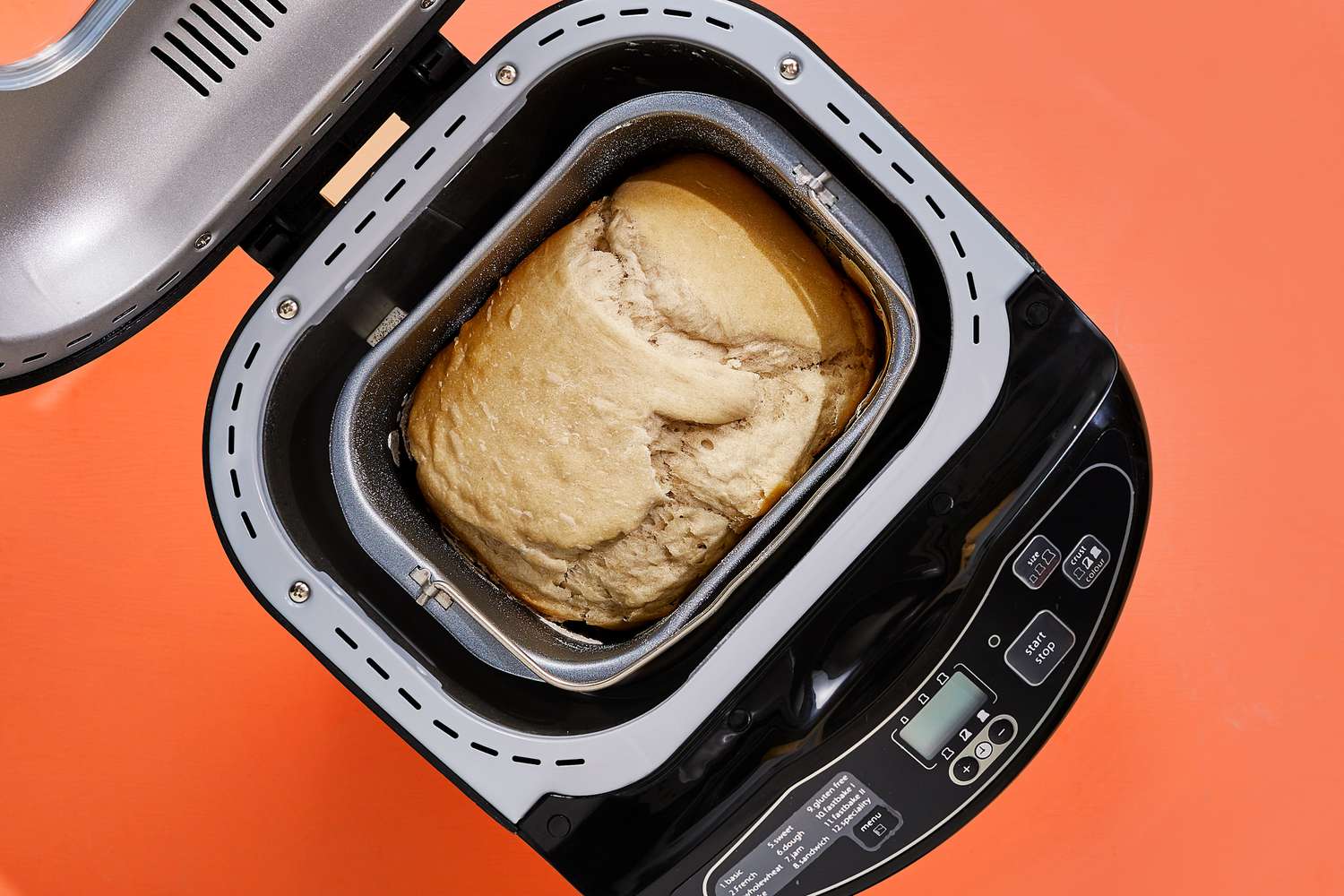
The Evolution of Bread Making: From Ancient Ovens to Automated Perfection
For millennia, bread has been a cornerstone of human diets, evolving from simple flatbreads baked over open fires to the artisanal loaves we cherish today. The craft of bread making, with its intricate balance of yeast, flour, water, and time, was traditionally a labor-intensive art. However, the 20th century brought a revolution with the introduction of automated bread machines. These clever devices took the kneading, rising, and baking off our hands, making homemade bread accessible to everyone.
But the real innovation for many came with the advent of specialized settings. For those managing celiac disease or gluten sensitivity, traditional wheat-based bread was off-limits, and gluten-free alternatives often fell short. Early attempts at gluten-free bread in standard machines were often disappointing, yielding bricks rather than loaves. Recognizing this need, manufacturers began developing bread makers with dedicated gluten-free programs. These programs are meticulously calibrated to handle the delicate nature of gluten-free dough, which behaves very differently from its wheat-based counterpart, ushering in a new era of inclusive home baking.
Why a Dedicated Gluten-Free Bread Maker is a Kitchen Essential
If you’re wondering whether a specific gluten-free bread maker is truly necessary, the answer is a resounding yes! Gluten is the protein network that gives traditional bread its structure, elasticity, and chewiness. Without it, gluten-free dough is less elastic, doesn’t rise the same way, and requires a different approach to kneading and baking to achieve that desirable light and fluffy texture.
What Makes Gluten-Free Dough Unique?
Gluten-free flours, like rice, tapioca, and corn, lack the gluten proteins that form a strong framework. This means they can’t handle the aggressive, prolonged kneading that wheat dough thrives on. Too much kneading can actually damage the delicate structure of gluten-free dough, leading to a dense, heavy loaf. Additionally, gluten-free dough often benefits from a single, unpunched-down rise and a longer, more gentle bake to ensure it’s cooked through without drying out.
The Crucial “Gluten-Free” Setting
This is where a dedicated gluten-free setting truly shines. These programs are engineered to:
- Minimize Kneading: They use shorter, gentler kneading cycles to develop the dough without overworking it.
- Optimize Rising: They typically allow for a single, controlled rise, preventing the dreaded “collapse” that can happen with a second punch-down.
- Extend Baking Time: They often feature a longer, more even bake to ensure your gluten-free loaf is perfectly cooked from crust to center.
“Choosing a bread maker with a specific gluten-free setting is paramount,” advises Clara Jenkins, a renowned baking technologist. “These machines are designed to compensate for the absence of gluten, ensuring your loaf achieves the ideal texture and rise that can be hard to replicate manually or with a standard bread machine.”
Benefits You’ll Savor
Beyond perfectly baked bread, a gluten-free bread maker offers a wealth of advantages:
- Unmatched Consistency: Say goodbye to unpredictable results. These machines deliver uniform loaves every time, making your gluten-free baking journey stress-free. [cite: 1 (search result 2)]
- Convenience Redefined: Simply add your ingredients, press a button, and let the machine handle the rest. It’s a true “set it and forget it” solution. [cite: 1 (search result 2), 3 (search result 2)]
- Ingredient Control: You decide exactly what goes into your bread, ensuring it’s free from unwanted allergens, preservatives, or additives.
- Freshness & Flavor: There’s nothing quite like warm, homemade bread. The aroma alone is worth the investment, and the taste far surpasses most store-bought options. [cite: 3 (search result 2)]
- Cost-Effectiveness: Making your own gluten-free bread at home can significantly cut down on the expense of specialty store-bought loaves. [cite: 2 (search result 2)]
Key Features to Look for in the Best Gluten-Free Bread Maker
When investing in a gluten-free bread maker, certain features will elevate your baking experience and ensure consistent, delicious results.
Dedicated Gluten-Free Program
This is the absolute non-negotiable feature. As discussed, gluten-free dough has unique requirements, and a specialized setting addresses these directly. Some machines offer multiple GF settings, differentiating between savory, sweet, or even cake.
Loaf Size & Shape
Bread makers come in various capacities, typically ranging from 1lb to 2.5lb loaves. Consider your household size and how much bread you consume. Loaf shape also varies:
- Vertical Loaves: Taller and squarer, often found in more compact machines.
- Horizontal Loaves: Mimic traditional bakery-style loaves, usually requiring a wider machine (e.g., Zojirushi). Some find horizontal loaves better for sandwiches. [cite: 3 (search result 2)]
Kneading Paddles
Many machines feature one kneading paddle, but some premium models, like the Zojirushi, offer dual paddles, which can provide more thorough mixing for gluten-free dough. [cite: 2 (search result 1), 4 (search result 2)] A “folding” kneading blade (like on the Breville) is a thoughtful innovation that collapses after kneading, minimizing the hole often left in the bottom of the finished loaf. [cite: 2 (search result 1)]
Programmable & Custom Settings
For experienced bakers or those who love to experiment, a bread maker with programmable or “homemade” settings allows you to customize kneading, rising, and baking times. This is invaluable for fine-tuning gluten-free recipes to perfection. [cite: 4 (search result 2)]
Delay Start & Keep Warm Functions
Imagine waking up to the smell of freshly baked bread! A delay start timer lets you add ingredients in advance and set the machine to start baking hours later. A “keep warm” function ensures your bread stays perfectly toasty until you’re ready to slice it. [cite: 2 (search result 2)]
Ingredient Dispensers
Some advanced models include automatic dispensers for nuts, seeds, or dried fruits. These release additions at the optimal time during the mixing cycle, ensuring even distribution without you having to intervene. [cite: 2 (search result 1)]
Crust Color Options
From a delicate light crust to a rich dark one, adjustable crust settings allow you to customize your loaf to your preference.
Ease of Cleaning & Durability
Look for machines with non-stick bread pans, ideally dishwasher-safe, and removable kneading paddles for hassle-free cleanup. Durable construction ensures your investment lasts for years of delicious baking.
Power Interruption Recovery
Unexpected power outages can ruin a loaf in progress. Some bread makers feature a power backup or memory function that allows them to resume baking after a brief power cut, saving your bread (and your ingredients!). [cite: 2 (search result 1)]
Top Contenders: Exploring the Best Gluten-Free Bread Makers on the Market
The market offers a fantastic range of gluten-free bread makers, each with unique strengths. Here are some models that consistently receive high marks for their performance with gluten-free recipes:
- Zojirushi Home Bakery Virtuoso Plus (BB-PDC20/BB-PAC20BA): Often considered the gold standard, this machine excels at producing traditionally shaped, horizontally baked loaves. It features dual kneading paddles and boasts a strong reputation for consistent, high-quality gluten-free results. While a premium investment, its reliability and dedicated GF support are often cited as unparalleled. [cite: 1, 3, 5 (search result 1)]
- Breville BBM800XL Custom Loaf: This versatile machine offers four different loaf sizes and includes an ingenious automatic fruit and nut dispenser, perfect for adding texture and flavor to your gluten-free creations. Its folding kneading blade minimizes the common paddle hole, and a power backup feature adds peace of mind. [cite: 2 (search result 1), 3]
- T-fal ActiBread (PF311E/PF311): A popular choice for those seeking excellent gluten-free performance without breaking the bank. The T-fal ActiBread stands out with its three dedicated gluten-free programs (savory, sweet, and cake), indicating a deep understanding of gluten-free baking needs. [cite: 1 (search result 1), 3]
- Hamilton Beach Programmable Bread Machine (29882): Known for its great value, this machine offers 12 settings, including a dedicated gluten-free option, along with various loaf sizes and crust types. It’s an excellent entry-level option for those new to gluten-free bread making. [cite: 1 (search result 1)]
- Panasonic SD-YR2500/SD-R2550: These models are often lauded for creating exceptionally lofty and airy gluten-free loaves, often outperforming competitors in terms of height and texture. They are particularly well-suited for larger households. [cite: 2 (search result 1), 4 (search result 1)]
- Cuisinart CBK-200/CBK-210 Convection Bread Maker: Offering a wide array of options and convection baking, this machine can produce great results, though some users find that gluten-free loaves occasionally benefit from a short additional bake in a conventional oven. [cite: 1 (search result 1)]
- SKG Automatic Bread Machine 2LB: A beginner-friendly option, this machine comes with a generous 19 pre-programmed settings, including a gluten-free mode, and often includes a good warranty, making it a reliable choice for newcomers. [cite: 1 (search result 1)]
- Oster CKSTBRTW20: This best-selling bread maker is praised for its ability to produce gluten-free bread that tastes remarkably similar to traditional bakery bread, making it a strong contender for those prioritizing flavor and texture.
- Vevor Bread Maker: A more recent and affordable entrant, the Vevor often features a ceramic pan and a longer, more traditional loaf pan, which some bakers prefer for crustier gluten-free loaves and sandwich-making. [cite: 5 (search result 1)]
“The choice often boils down to your specific priorities,” explains expert baker Marcus Thorne. “If you crave the perfect sandwich loaf, a Zojirushi might be ideal. If customization is your jam, look for programmable options. Even budget-friendly models today offer impressive gluten-free capabilities.”
Mastering Gluten-Free Bread in Your Machine: Essential Ingredients and Tools
While the bread maker does most of the heavy lifting, understanding your ingredients is key to gluten-free baking success.
Flour Blends
Forget single-source flours; quality gluten-free flour blends are your best friend. These often combine rice flour, tapioca starch, potato starch, and sorghum flour to mimic the properties of wheat flour. Many commercial blends also include xanthan gum or guar gum, which act as binders, providing structure that gluten would otherwise supply. Ensure your blend is designed for yeast breads, as some all-purpose GF blends might not be suitable. [cite: 4 (search result 2)]
Yeast & Leavening
Active dry yeast is the primary leavening agent. Some recipes also benefit from a touch of baking powder or cream of tartar to provide an extra lift, especially in the absence of gluten. [cite: 4 (search result 2)]
Liquids & Fats
Milk (dairy or non-dairy) adds moisture and enriches the flavor. Eggs are crucial for structure and rise in gluten-free baking. [cite: 4 (search result 2)] Oil or butter contributes moisture, tenderness, and flavor.
Acids
A small amount of vinegar (apple cider or white) can enhance the rise and improve the texture of gluten-free bread. [cite: 4 (search result 2)]
Other Tools
- Measuring Cups & Spoons: Standard equipment.
- Kitchen Scale: For precise measurements, especially of flour, a kitchen scale is highly recommended. Gluten-free baking is a science, and accuracy makes a huge difference. [cite: 1 (search result 2), 5 (search result 2)]
- Baking Thermometer: To ensure your bread is fully cooked, an internal temperature of around 205°F (96°C) is ideal.
Step-by-Step Guide: Making Delicious Gluten-Free Bread
Making gluten-free bread in your machine is surprisingly straightforward, especially when you follow a few key steps.
- Gather Your Ingredients: Measure all your ingredients precisely. Using a kitchen scale for flours is highly recommended for accuracy. Ensure all wet ingredients (milk, eggs) are at room temperature to help activate the yeast. [cite: 4 (search result 2)]
- Add Ingredients to the Pan: The general rule for bread machines is to add liquids first, followed by dry ingredients. Place yeast on top of the flour, away from salt and sugar initially. If your recipe includes mix-ins like seeds, add them according to your machine’s instructions or dispenser. [cite: 5 (search result 1)]
- Select the Cycle: Choose the dedicated “Gluten-Free” setting on your bread maker. If your machine has a “homemade” or custom setting, ensure it’s programmed for one kneading cycle, one rise, and a longer bake time, avoiding any second punch-down. [cite: 4 (search result 2)]
- Start the Machine: Close the lid and press start. The machine will now handle the mixing, kneading, rising, and baking.
- Monitor (Optional) & Finish: Resist the urge to open the lid frequently during the rise and bake cycles. Once the cycle is complete, carefully remove the bread pan. Allow the loaf to cool in the pan for 10-15 minutes before inverting it onto a wire rack to cool completely. Cooling thoroughly is crucial for gluten-free bread’s texture.
Beyond Basic Loaves: Tips and Creative Gluten-Free Recipes
Your gluten-free bread maker isn’t just for plain sandwich bread. It’s a versatile tool for culinary creativity!
- Adding Mix-ins: Enhance your bread with dried fruits (raisins, cranberries), nuts (walnuts, pecans), or seeds (chia, flax, sunflower). Use an automatic dispenser if your machine has one, or add them manually during the last few minutes of the initial mixing cycle.
- Sweet vs. Savory Variations: Experiment with different herbs and spices for savory loaves, or cinnamon and brown sugar for sweet breads.
- Using the Dough Cycle: Many bread makers have a “dough” setting that mixes and kneads but doesn’t bake. This is perfect for preparing gluten-free pizza dough, dinner rolls, or even hamburger buns that you can then shape and bake in your conventional oven.
“Don’t be afraid to experiment with your gluten-free bread maker,” encourages Chef Julianne Parker, a specialist in allergen-friendly cuisine. “Start with a reliable base recipe, then tweak it with different flours, add-ins, and flavor profiles. You might discover your next favorite bread!”
The Joy of Homemade: Benefits of Owning a Gluten-Free Bread Maker
Embracing a gluten-free bread maker means unlocking a world of benefits that extend far beyond just bread.
Health & Wellness
You gain complete control over your ingredients. This is invaluable for those with celiac disease or gluten sensitivity, ensuring no hidden gluten, unnecessary additives, or allergens. You can opt for organic ingredients, reduce sugar and salt, and incorporate nutrient-rich flours and seeds.
Cost Savings
Gluten-free products, especially bread, can be notoriously expensive. Making your own at home is significantly more economical in the long run, saving you money on your grocery bill. [cite: 2 (search result 2)]
Freshness & Flavor
Nothing compares to the taste and aroma of bread that’s just come out of the oven. Homemade gluten-free bread is incomparably fresher and more flavorful than anything you’ll find pre-packaged, filling your home with a comforting, welcoming scent. [cite: 3 (search result 2)]
Convenience
The “set it and forget it” nature of a bread maker means you can enjoy freshly baked bread with minimal effort. Prep it the night before for breakfast, or set it to bake while you’re working or relaxing.
Savoring Your Creation: How to Enjoy Homemade Gluten-Free Bread
Once your gluten-free masterpiece is baked and cooled, it’s time to enjoy it!
- Serving Suggestions: Slice it thick for hearty sandwiches, toast it for breakfast with butter and jam, or serve warm slices alongside soups and salads. A simple drizzle of olive oil and a sprinkle of sea salt can also highlight its natural flavors.
- Storage Tips: Gluten-free bread tends to dry out faster than regular bread. Once completely cooled, slice the entire loaf and store it in an airtight container at room temperature for a day or two. For longer storage, tightly wrap individual slices or the entire loaf and freeze. Thaw slices as needed, and a quick toast will revive their texture and flavor beautifully. [cite: 2 (search result 2), 5 (search result 2)]
Frequently Asked Questions
Do I really need a bread maker with a specific gluten-free setting?
Yes, a dedicated gluten-free setting is highly recommended. These programs are optimized for the unique requirements of gluten-free dough, ensuring proper kneading, rising, and baking times for superior results. Using a standard setting on a non-GF machine can lead to dense, crumbly loaves. [cite: 2 (search result 2), 5 (search result 2)]
Why does my gluten-free bread come out dense in a bread maker?
Density in gluten-free bread can stem from several factors: incorrect flour-to-liquid ratio, over-kneading (which a dedicated GF setting helps prevent), insufficient rise time, or incomplete baking. Ensure precise measurements, use a GF setting, and allow the loaf to cool completely before slicing. [cite: 1 (search result 2)]
Can I use any gluten-free flour in my bread machine?
It’s best to use high-quality gluten-free flour blends specifically designed for yeast breads. Some all-purpose GF blends may not have the right protein balance or leavening agents for optimal bread maker results. [cite: 4 (search result 2)]
How long does homemade gluten-free bread last?
Homemade gluten-free bread typically stays fresh for 1-2 days at room temperature in an airtight container. For longer preservation, slicing and freezing individual portions is ideal. Toasting frozen slices brings them back to life perfectly. [cite: 2 (search result 2), 5 (search result 2)]
What’s the ideal liquid-to-flour ratio for gluten-free bread?
Gluten-free doughs are often wetter than traditional wheat doughs. However, the ideal ratio varies significantly by recipe and flour blend. Always follow your specific recipe’s measurements precisely, ideally by weight for flours, to ensure the best results.
Is a gluten-free bread maker worth the investment?
For anyone on a gluten-free diet who misses fresh bread, wants to control ingredients, save money, or simplify their baking, a gluten-free bread maker is an incredibly worthwhile investment that pays dividends in taste and convenience. [cite: 2 (search result 2), 3 (search result 2)]
Can I make other things besides bread in a gluten-free bread maker?
Many gluten-free bread makers also offer settings for making gluten-free cake, jam, and various types of dough (e.g., pizza, pasta). Consult your machine’s manual for its full range of capabilities. [cite: 2 (search result 1)]
Embracing the world of gluten-free bread making with a dedicated machine opens up a realm of delicious possibilities. From the comforting aroma that fills your kitchen to the unparalleled taste and texture of a freshly baked loaf, the benefits are truly transformative. Say goodbye to store-bought compromises and hello to effortless, homemade goodness. Invest in the best gluten-free bread maker for your needs, follow these tips, and prepare to delight in the simple pleasure of truly great bread once again.